
The 2026 KiwiNet Awards finalists turning world-class research into global impact
Five Canterbury-based finalists are among those recognised at the 2026 KiwiNet Research Commercialisation Awards for entrepreneurship spanning health technology, climate innovation and cultivated food production.
From breakthrough health technologies and lower-emissions industry to cellular horticulture and innovative consumer platforms, five Canterbury finalists were among the 18 winners of the 2026 KiwiNet Research Commercialisation Awards.
Showcasing the breadth of science-led innovation emerging from Aotearoa, the finalists represent universities, Crown Research Institutes, research organisations and innovative companies, turning publicly-funded research and new ideas into products, ventures and technologies with potential for global impact.
This year’s finalists span advances in drug delivery, space technology, medtech and neurotechnology, carbon capture, hydrogen-based ironmaking, agritech, cellular horticulture and cleantech. The awards also recognise the researchers, entrepreneurs and commercialisation professionals helping move these breakthroughs from the lab into the market.
KiwiNet CEO Dr James Hutchinson says the finalists demonstrate the depth of talent and potential in New Zealand’s research commercialisation sector.
“These successes do not happen overnight. They are the result of years of deep research, expert commercialisation support and entrepreneurial drive, all focused on getting breakthrough innovations to market.”
The 2026 KiwiNet Awards winners will be announced on 8 October. The five Canterbury finalists are:

Mark Campbell, Lensare
Momentum Student Entrepreneur Award
University of Canterbury product design student Mark Campbell is developing Lensare, adaptive glasses designed to protect people with light-sensitive conditions including epilepsy, migraines and brain injuries. The glasses use embedded light sensors and LCD lenses to detect harmful light patterns and darken rapidly, with the latest prototype responding in under 20 milliseconds.
Mark began developing the technology at high school and has since taken it through three hardware generations, working with neurologists, a vision scientist and Epilepsy New Zealand. Lensare won a 2025 James Dyson Award and now has a waitlist ahead of its planned release. Mark is developing the product full-time through the University of Canterbury’s entrepreneurship programme.
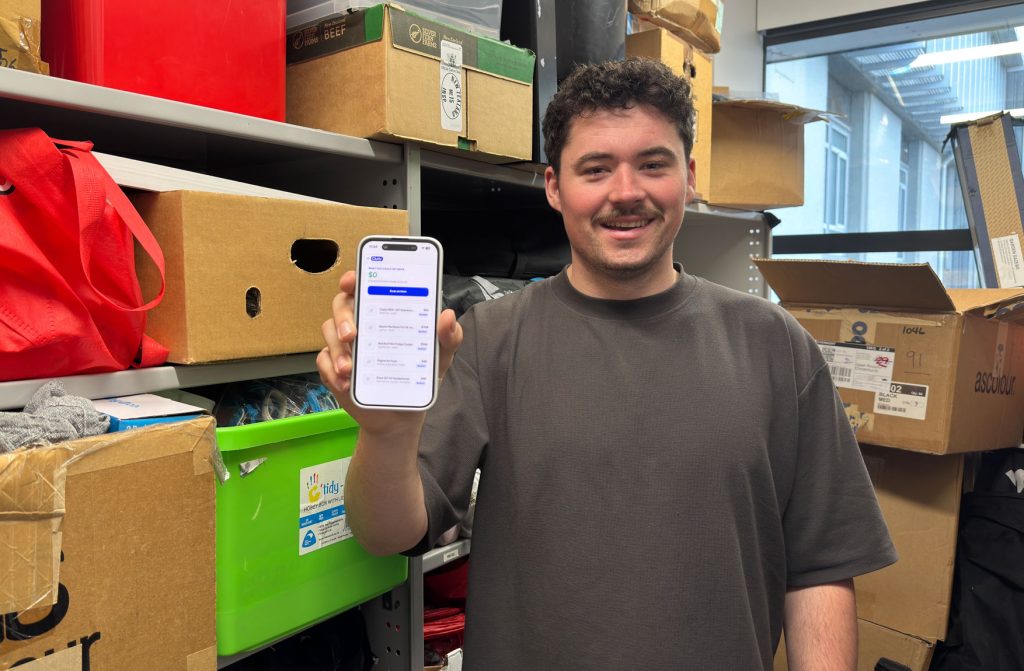
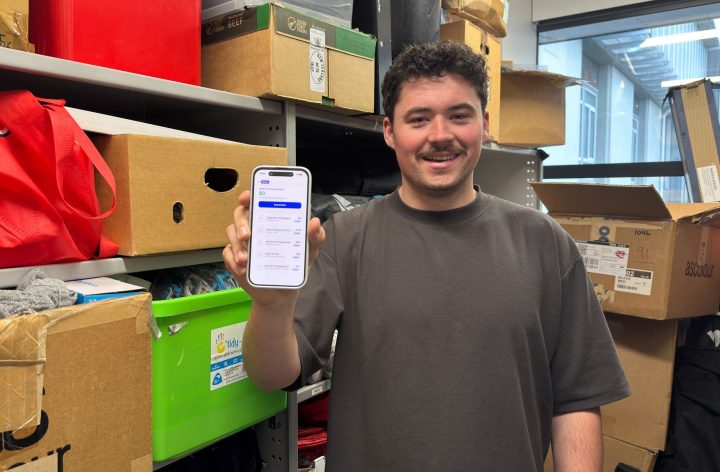
Zac Hemmings, Cluttr
Momentum Student Entrepreneur Award
University of Canterbury civil engineering student
Zac Hemmings is tackling the hassle of selling unwanted household goods through Cluttr, a platform designed to make second-hand selling as easy as booking a service. Customers upload photos of their items, Cluttr builds an inventory and estimates resale values, then connects them with student resellers who collect and sell the goods. Zac initially proved the model himself, personally collecting items, managing customers and testing the process before scaling through technology. Cluttr has completed paid pilot collections, won Red Bull Basement New Zealand and represented the country at the global final in San Francisco.
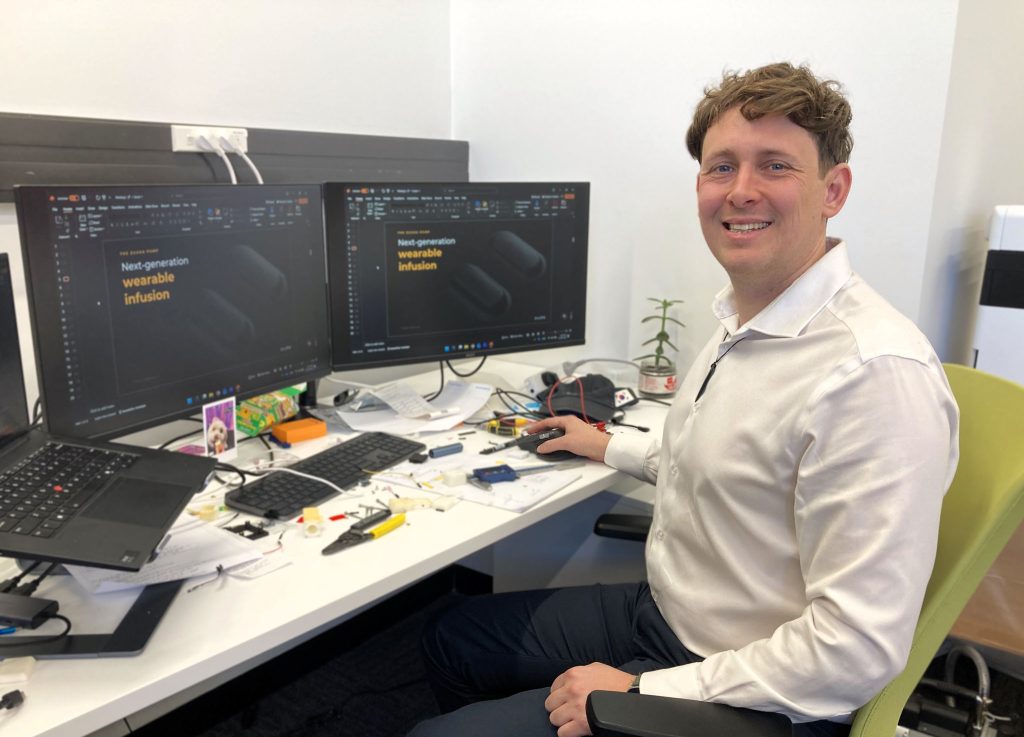
Dr Jake Campbell, Zuuka
Breakthrough Innovator Award
Dr Jake Campbell co-founded University of Canterbury spin-out Zuuka to develop a simpler, smaller approach to insulin delivery. Its wearable drug-delivery system provides automated insulin delivery that responds to changes in glucose levels, with a prototype roughly half the size of leading patch pumps. More than 100 interviews with patients, clinicians and carers helped shape the design, which features a year-long battery life, reduced needle handling and a significantly lower environmental footprint. Jake co-founded Zuuka in 2025 and is its Chief Technology Officer. The company has filed patent applications, grown to a team of five and is now raising a Seed A round.
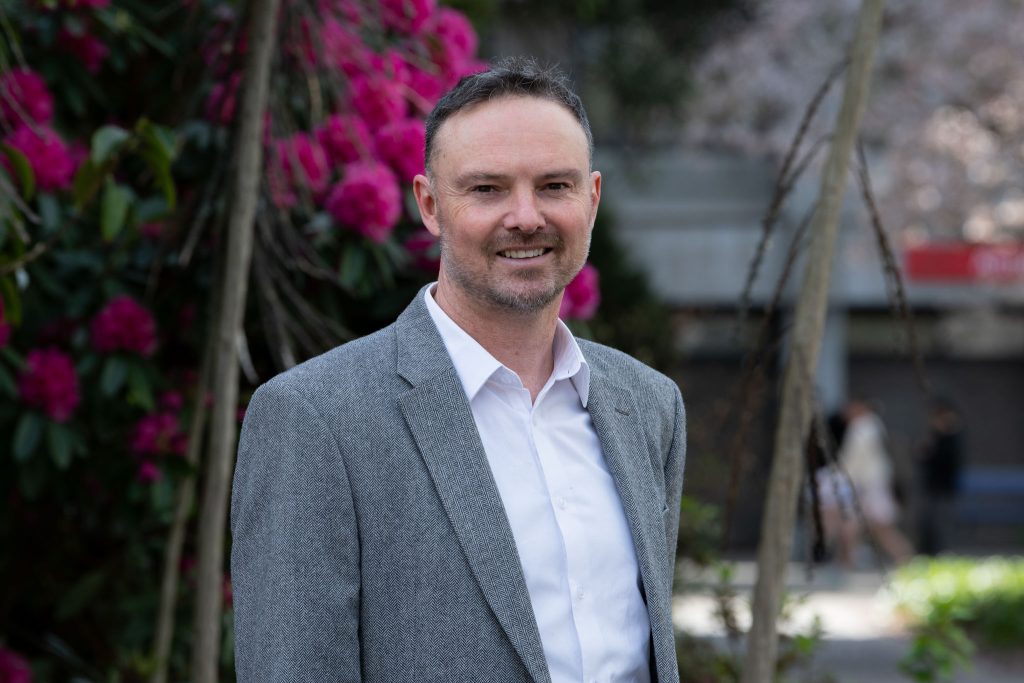
Professor Matthew Watson, University of Canterbury
BNZ Researcher Entrepreneur Award
Professor Matthew Watson is helping turn University of Canterbury research into technologies tackling climate and materials challenges. He has supported three deep-tech companies to market, including Aspiring Materials, which converts the mineral olivine into carbon-absorbing magnesium compounds and other low-carbon products. The company opened its first-of-a-kind Christchurch facility in late 2025. Matthew also co-founded CullBeck, which is commercialising a hydrogen-based process for turning iron sands into high-value iron with substantially lower emissions. CullBeck raised $20 million in its first investment round this year. Alongside his commercial ventures, Matthew mentors researchers and early-stage founders.
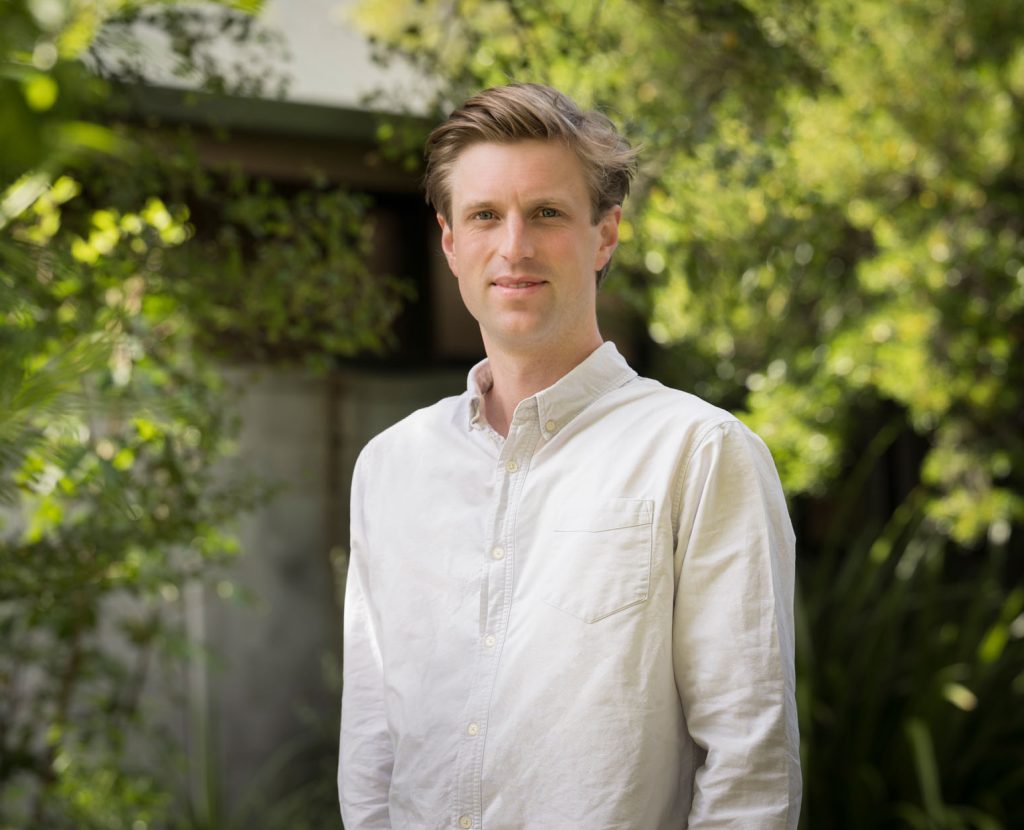
Mick Riley, Forever Harvest
KCA Commercialisation Rising Star Award
Mick Riley is turning emerging cellular horticulture research into a commercial venture through Forever Harvest, a spin-out from the Bioeconomy Science Institute Maiangi Taiao. The company grows fruit and nut cells in the laboratory rather than cultivating whole plants, with the potential to produce ingredients with targeted nutrients, flavours and functional benefits. The technology could help create climate- and disease-resilient, year-round food ingredient supplies. Mick co-founded Forever Harvest with Dr Jan Grant and helped shape its commercial strategy and fundraising. The company closed a $1.2 million pre-Seed round in February 2026, led by Sprout Agritech.