
The fight against homelessness: Christchurch leaders swap warm beds for cardboard
On one of winter’s coldest nights, 13 August 2026, more than 40 leaders and key figures in the Christchurch community will swap warm beds for cardboard at an inaugural sleepout inside One New Zealand Stadium, in a bid for public donations and to raise awareness for Ōtautahi’s alarming homelessness figures.
The Big Sleepout is Christchurch Methodist Mission’s (CMM) latest initiative on the city’s homelessness crisis, warning that recent improvements in emergency housing statistics do not reflect the reality on the ground. With more than 250 people on their housing waitlist right now, resources and funding can’t match demand.
Business owners, council leaders and community personalities will gather on 13 August at One New Zealand Stadium (a venue bringing millions of dollars to our city’s economy) to sleep on cardboard for one night, shining a light on homelessness and shifting perspectives. The public is invited to view and donate to participants at www.bigsleepoutsouth.nz.
Christchurch knows what it means to come together in tough times. This community sleepout will be the latest powerful example of community spirit. “Not to replicate homelessness,” says executive director Jill Hawkey, “because one night outside can never reflect the reality of living without a home, but to stand in solidarity with those who face the cold every night.”
For participant and councillor of Halswell Ward Andrei Moore, The Big Sleepout is about being part of the solution. “Christchurch is going gangbusters and bucking economic indicator trends across the country but that success isn’t reaching everyone,” he says. “Admittedly, I’m a big baby in the cold and believe this night sleeping on cardboard away from my memory foam mattress will serve as a valuable reminder of my privilege and responsibilities as an elected member.”
Hiding homelessness won’t solve it
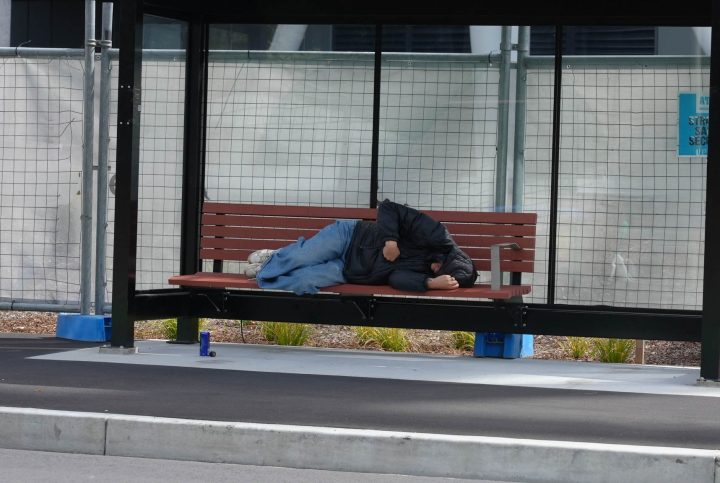
Homelessness is often hidden: a family in a motel with nowhere else to go, someone sleeping in their car because rent is out of reach, a rough sleeper facing sub-zero temperatures with only a blanket and hope. That winter chill “is something we experience briefly before returning to a warm home,” Jill says. “But for a growing number of people in our city, the cold is constant.”
Of the 250 people on CMM’s housing waitlist, approximately a third are women. “They are sleeping under bushes, near railway bridges, in garden sheds, in parks, or, if they are fortunate, couch surfing with friends for a few nights before returning to the streets. These are not statistics. They are people with names, histories, relationships and hopes.” Utilising a space receiving national attention right now – Christchurch’s brand new stadium – makes the homelessness crisis one impossible to avoid.
“In recent months, much has been made of falling emergency housing numbers. Targets have been met and official measures have improved. Yet what we are seeing on the ground tells a different story: homelessness has not disappeared even if it has become less visible in the numbers,” Jill explains. Reducing statistics (like the Government’s target to reduce the number of people in emergency housing by 75%) doesn’t mean those people disappear. “The reality is that when someone is denied emergency accommodation, they do not simply vanish.
They end up somewhere else: on the street, in hospital, interacting with police, or relying on already stretched community services. The cost is not eliminated; it has shifted elsewhere,” Jill says.
“Christchurch also faces a challenge that deserves greater attention. According to the latest homelessness data, our city has the highest rate in the country of people being released from prison into homelessness, with 17% released with no fixed abode. That is not a recipe for successful reintegration. It is a pathway to greater social and economic costs down the track.”
While rising rents outpace what a superannuation income can cover, more older people find themselves unable to secure affordable housing. “Demand exceeds available housing. The pipeline into homelessness is larger than the pathway out,” Jill says. “At the same time, our experience is that it is now very rare for people sleeping rough to be approved for emergency housing. This reality sits uncomfortably alongside claims that homelessness is improving.”
New Zealand has significantly less social housing than many comparable countries: around 3.8% of our housing stock is social housing, compared with the 7% OECD average and about 17% in the United Kingdom. “If we are serious about reducing homelessness, we need sustained investment in social and affordable housing and a long-term, cross-party commitment that survives election cycles.”
Christchurch’s homelessness crisis will not be solved by improving spreadsheets or moving people out of sight. It will be solved when everyone has a place to call home. If we are to build a city where everyone has the dignity of a safe home, awareness must be matched by action.
To see and donate to The Big Sleepout or specific participants, visit www.bigsleepoutsouth.nz
____________________
Two local leaders and why they said yes to the sleepout
Judith Jehru,
Co-director of Rangzen Pro
Rangzen Pro was inspired to support The Big Sleepout through our work with CMM delivering new community housing developments. Raising awareness of homelessness is important because it can affect anyone. Just one unexpected event, such as an illness, job loss, the death of a loved one, or another significant change in circumstances, can leave an individual or family vulnerable to homelessness.

Ben Goodjohn
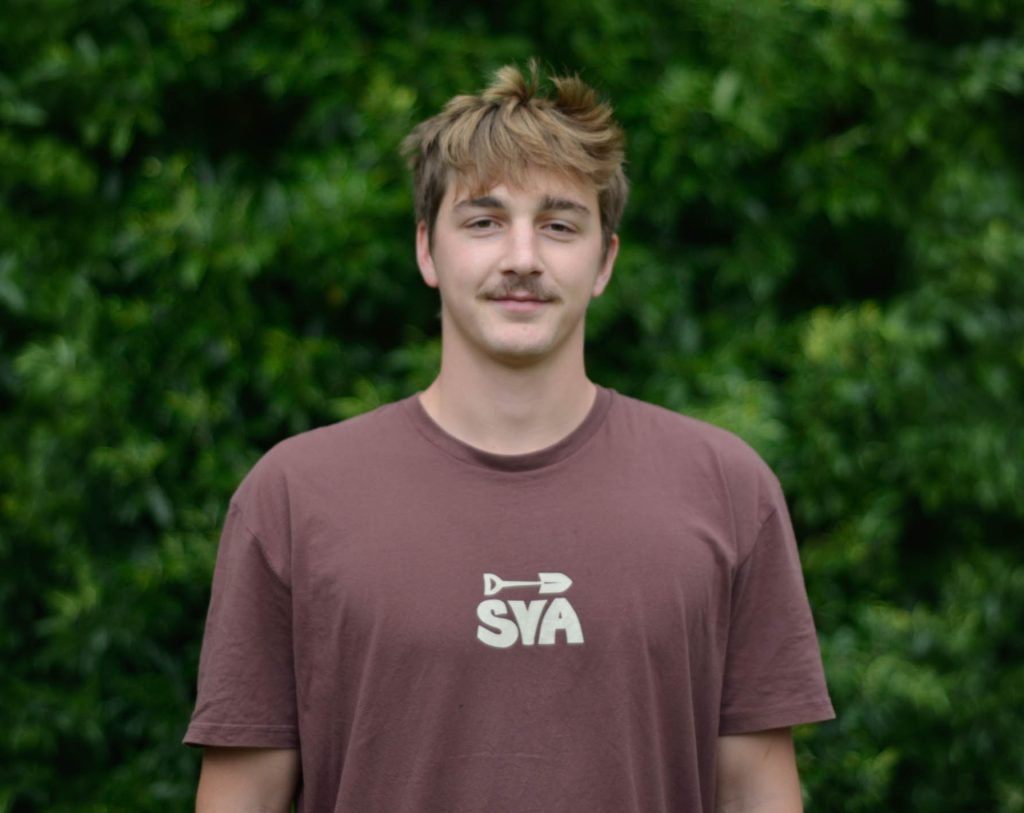
Co vice-president of the Student Volunteer Army
The issue of homelessness is obvious and has never felt worse in my lifetime. More than 50,000 New Zealanders under the age of 25 are deprived of housing. We humans often tend to see someone we don’t understand and isolate them rather than empathise. I have been fortunate enough to have support around me growing up. Someone born into a less fortunate or dangerous home doesn’t deserve to struggle and be forgotten by our society.