

Wearable drugs
A Christchurch scientist has developed a world-first wearable drug delivery platform with a view to targeting the $10 billion US injectables market.
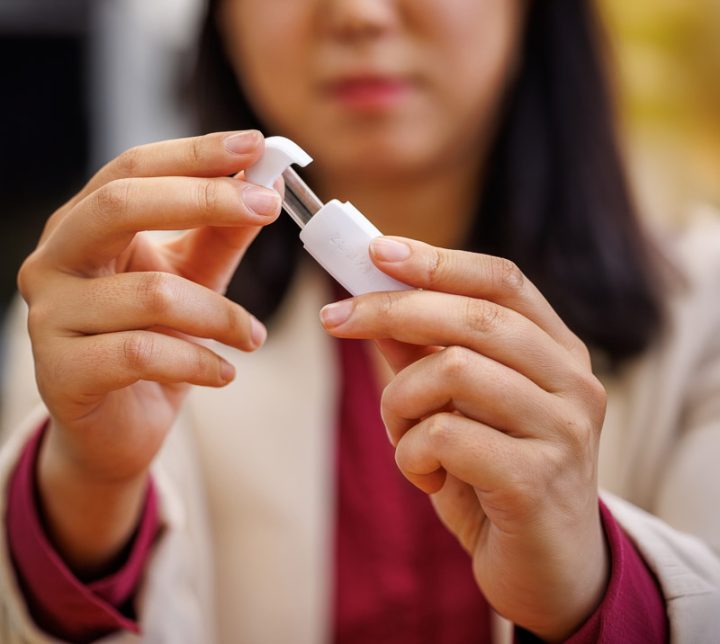
Christchurch medtech startup Zuuka is preparing to commercialise a world-first wearable drug delivery platform to help people with diabetes, obesity, Parkinson’s and Alzheimer’s manage injectable treatments more easily at home.
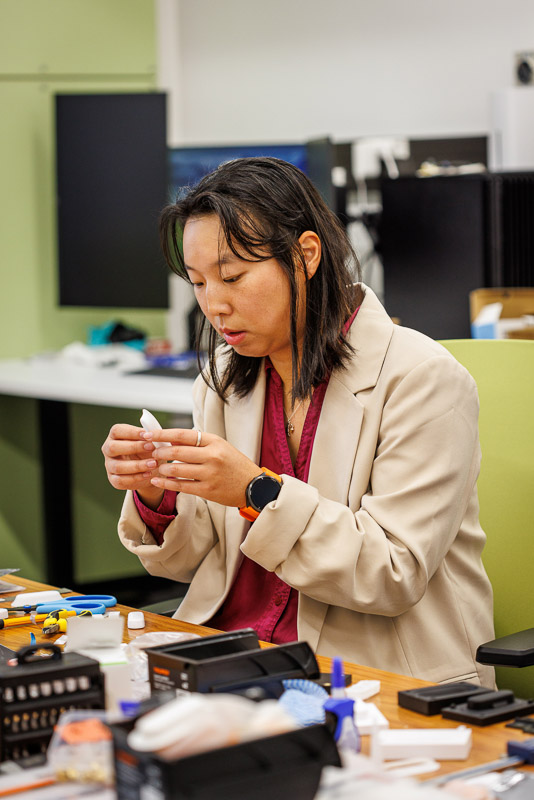
The technology was developed by Dr Jake Campbell (Te Rarawa) as part of a post-doctoral research team at the University of Canterbury, which focused on low-power wearable drug delivery systems.
The company is now raising capital to fund prototype development, user trials and regulatory work ahead of a planned US market launch. Around two million Americans already use insulin, and demand is rapidly growing for wearable delivery systems across diabetes, obesity and chronic disease treatment such as Parkinson’s. Zuuka’s device is designed to be around half the size of some current patch pumps, run for more than a year without regular charging and reduce medical waste by up to 99 per cent compared with some disposable pump systems.
The problem it helps solve is the number of people who stop using injectable treatments because the devices are too visible or hard to manage every day.
“High discontinuation rates seen across some injectable therapies highlight how important usability, comfort and day-to-day wearability are becoming for long-term patient adherence,” says Jake. “Our focus has been designing something that is intuitive, user-centric and capable of integrating much more seamlessly into everyday life.”
The company’s proprietary micro-actuator platform replaces traditional motor-driven wearable delivery systems with a significantly lower-power platform that reduces charging requirements, device size and complexity.
Jake says the actuator platform has enabled the development of a miniaturised wearable device around half the size of some current market-leading patch pumps while operating for more than a year without regular charging.
The system uses a reusable pump body with replaceable infusion components rather than fully disposable products, which could reduce medical waste by up to 99 per cent compared with some disposable patch pump systems currently on the market.
Jake says a person diagnosed with Type 1 diabetes at a young age could potentially use and discard more than 7000 disposable pumps over their lifetime and that each one of those pumps equates the same environmental footprint as discarding 18,000 user coffee cups.
More than 300,000 New Zealanders are estimated to be living with diabetes, while industry data suggests around 18 per cent of insulin pump users eventually discontinue pumps and return to injections because devices are too cumbersome or difficult to manage long-term.
Poor insulin adherence is associated with significantly higher rates of hospitalisation and long-term complications, including kidney disease, blindness, amputations and cardiovascular disease.

“A huge amount of effort goes into developing medicines, but treatments only work if people use them every day and manage them long term. The most expensive medicine in the world is the one the patient never ends up taking.”
Diabetes New Zealand chief executive Heather Verry says treatment fatigue and long-term adherence remain significant challenges for many people living with chronic disease.