


The magic window with breast cancer and lymphoedema: Hands on Clinic
For women facing breast cancer surgery, a little-known risk after treatment is lymphoedema. Thanks to early detection through new technology, there is now a powerful window of opportunity to dramatically reduce that risk before it takes hold.
“I’m now getting new referrals for lymphoedema every week, most of which are due to breast cancer surgery and treatment,” says Hans Lutters, registered lymphoedema therapist and director at the Hands On clinic.
For many women, surviving breast cancer is only part of the journey. Weeks or months, even a few years, after surgery, it is common to then develop lymphoedema – a chronic swelling of the arms or legs caused by damage to the lymphatic system. It can be uncomfortable, frustrating, deeply distressing, as well as life altering. “It’s very common,” says Hans.
For more than 20 years, Hans has worked closely with people recovering from breast cancer treatment, supporting them through the physical and emotional changes that can follow surgery, radiation, and chemotherapy.
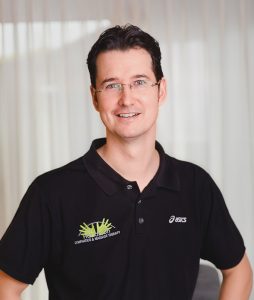
“People with breast cancer usually undergo removal of lymph nodes, radiation, chemotherapy, and in more severe cases, mastectomy. The combination of these treatments can be debilitating for your lymphatic system.”
Radiation can damage delicate lymphatic capillaries. Lymph node removal compromises flow. Chemotherapy and scar tissue add further strain. The result is secondary lymphoedema, ironically a condition triggered by these surgical interventions.
What Hans finds hardest is that many women arrive too late. “Quite often we hear, ‘If only I had known.’ Because they’ve not been informed properly,” he says. “The earlier that lymphatic changes are detected, the better the outcome.”
Today, however, there is real hope. Advanced bioimpedance spectroscopy technology can now detect subclinical lymphoedema, which is when fluid changes that are not yet visible. “That’s the magic window of opportunity,” Hans explains. “When people are in that subclinical phase. You can’t see it yet, but we can detect it with our technology and then act upon that data, which gives that window to avoid lymphoedema – or manage it so it doesn’t dictate their lives.”
Crucially, the optimal time to act is before any breast cancer treatment. “The best time to come and see me is before having surgery,” Hans says. A simple 30-second scan establishes a baseline. After treatment, even subtle shifts can be identified early and addressed with targeted intervention, compression and tailored exercise.
“I want to give a big message of hope,” he says. “Early detection and intervention are key. Unfortunately, we are currently the ambulance at the bottom of the cliff. I want to get to people before they fall off the cliff. Do not wait for swelling or infection because when it comes to lymphoedema, early intervention can change the course of recovery and protect quality of life for years to come.”
For women facing breast cancer surgery, knowledge, early detection and measurement could make all the difference.
To make an appointment with Hans at the Hands On clinic at 156 Bealey Avenue, call 03 366 0660, or 021 177 7003, or book online at the website.