

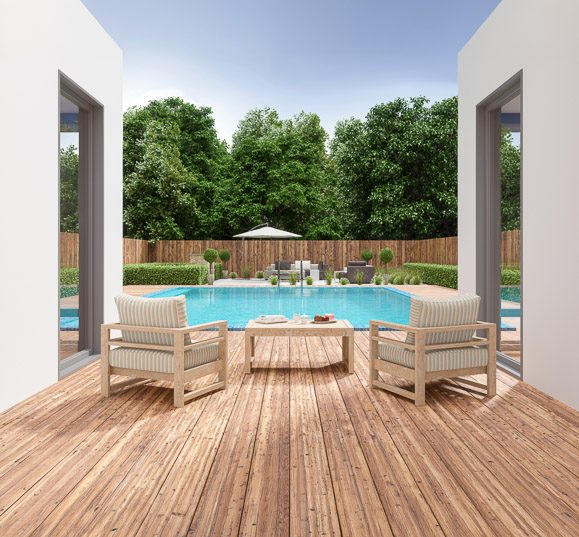
Outdoor space design
Comfort, style and year-round use of your outdoor space doesn’t just happen by accident. To create a something gorgeous, make a plan. Here are the top tips gleaned from some of Canterbury’s outdoor design experts.
Outdoor living is a way of life in New Zealand. From long summer evenings to crisp autumn mornings, Kiwis naturally gravitate toward spaces that blur the boundary between indoors and out. But creating an outdoor area people actually use requires thoughtful design to avoid the too-common ‘empty patio syndrome’.
Drawing on expert local insights, here’s how to craft an outdoor living space that is durable, flexible, and deeply inviting in the unique New Zealand climate.
The 80-20 rule
Creating a successful outdoor space begins with observation. Notice how you naturally move through your home, where the sun hits, and how wind and privacy affect comfort. Too often, outdoor spaces are designed for the 20 per cent of time they’re used for activities like entertaining on special occasions. Instead, consider how the space is to be used 80% of the time – for your early morning coffee before work, that glass of wine in the evening, or a place for the kids to play. As part of this, before buying furniture and installing features, consider what’s called ‘movement mapping’, which means asking yourself, ‘where does the sun fall through the day?’ ‘How does the wind move through the space?’ ‘Where do we naturally gather or relax?’
Create a social heart with fire
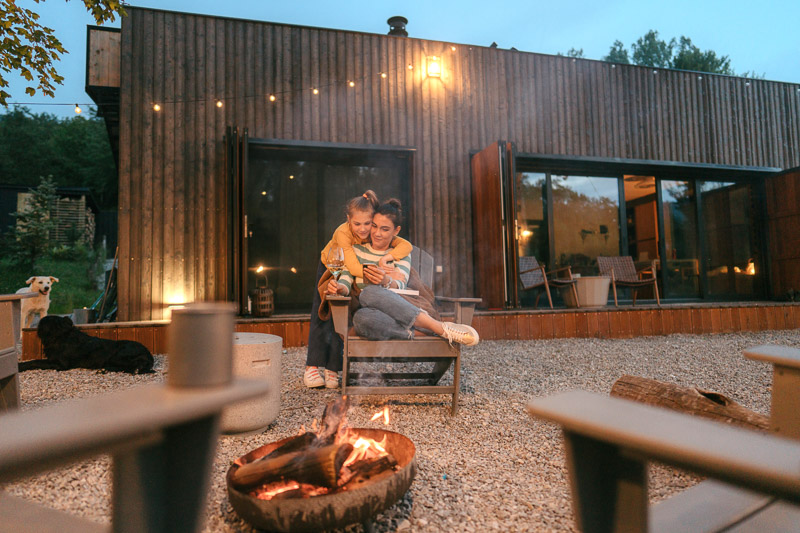
Every great outdoor space needs a focal point, and fire is one of the most powerful. Fire naturally draws people together. It adds warmth, atmosphere, and a sense of occasion. In New Zealand homes, popular options include gas fires for convenience and clean operation, and wood fires for a more sensory, immersive experience.
Whether it’s a sleek fire table, fire pit, or a rustic outdoor fireplace, this central feature can transform a functional patio into a memorable gathering space.
Light it up
From practical to emotional, lighting does more than extend usability into the evening; it shapes how a space feels. Layered lighting can highlight architectural features and garden elements, illuminate pathways for safety, and create depth and ambience. But great lighting goes beyond function. It introduces mood and emotion, turning your outdoor area into a place people want to linger long after sunset.
Shade and shelter
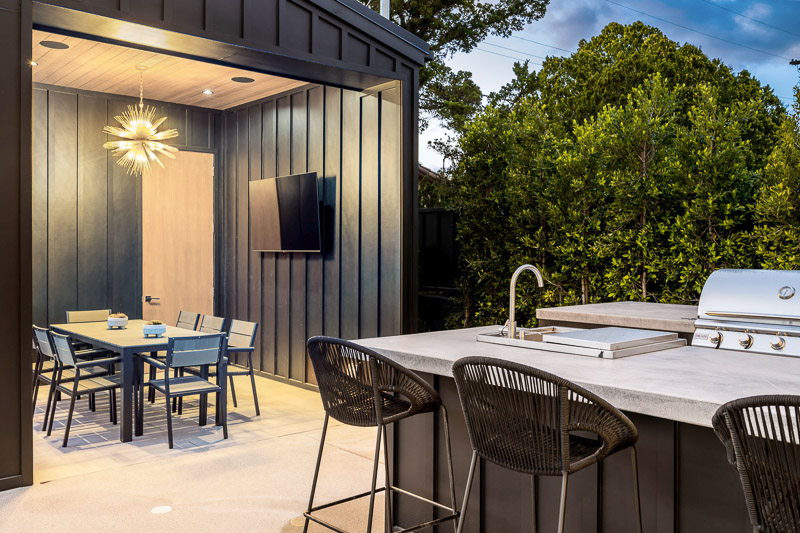
In New Zealand, shade and shelter is essential for year-round use of your outdoor space (Canterbury’s famous winds). Overhead structures – like pergolas, louvre systems, or awnings – create a foundation for your outdoor space. Options include:
• Louvred roofs that open and close
• Retractable systems for full sky exposure
• Fixed patio covers for constant protection
• Awnings and sunbrellas for flexible shade
Once you’ve got your shelter foundation in place, then you can layer in durable furnishings and finishes with accessories like lighting, heating, and screens to make your outdoor area usable in sun, wind, or light rain. These features make your space so much nicer to live in and also dramatically increase the property’s value.
Durability
Following on from shade and shelter is making sure to use materials that can handle the elements. New Zealand weather is famously unpredictable. One moment it’s blazing sun, the next it’s wind or rain. That’s why material choice is foundational. High-performance outdoor fabrics and furnishings are essential. Look for:
• UV-resistant, anti-fade textiles
• Mould-resistant and easy-to-clean surfaces
• Quick-drying foam for cushions
If your furniture stays damp or deteriorates quickly, people simply won’t use it. Durability directly impacts how often your space comes to life.
Embrace flexibility with modular furniture
A well-designed outdoor space should adapt to your lifestyle. Modular furniture is key here. A corner lounge might be perfect for a quiet morning coffee, but the same setup can transform into a social hub when guests arrive. By separating sections into movable pieces, you can:
• Create intimate nooks for relaxation
• Open up the layout for entertaining
• Adjust the space without buying new furniture
Good design removes friction. The easier it is to rearrange your space, the more often you’ll use it.
Add greenery
Soften the space with greenery and textures. Plants are one of the simplest ways to elevate an outdoor area. They add privacy from neighbours, a sense of calm and softness, and a lush, inviting backdrop.
Pair greenery with textiles like outdoor rugs, cushions, and throws to blur the line between indoor and outdoor living. These elements make the space feel comfortable and personal, not just decorative.
Engage the senses
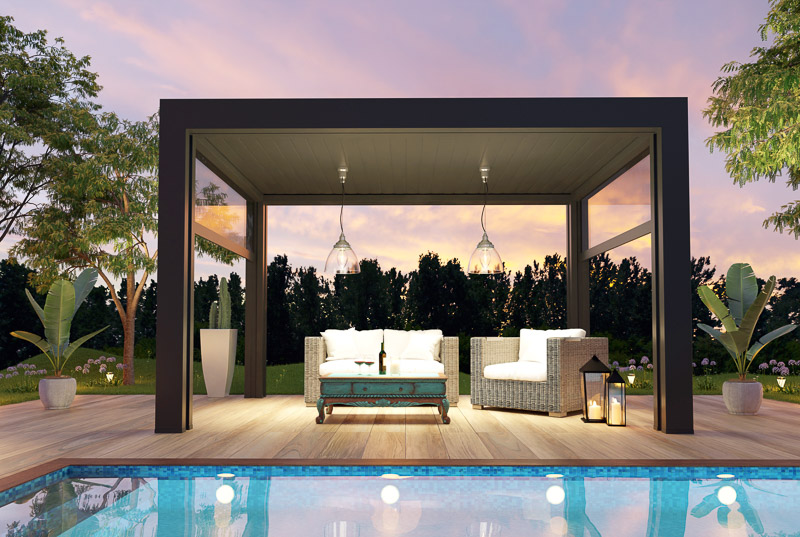
The most memorable outdoor spaces appeal to more than just sight. Consider adding:
• Water features to mask noise and create tranquillity
• Subtle sound elements for atmosphere
• Layered lighting for visual warmth
These sensory details are often what people remember most because they turn a space into an experience.
A space for all seasons
Once the structure and furniture are in place, it’s time to layer in comfort, which means thinking about:
• Heating for cooler months
• Screens for privacy and wind protection
• Lighting for evening use
• Accessories to reflect your personality
These finishing touches are what bring your outdoor space to life and make it genuinely functional year-round.
The goal: effortless living outdoors
To sum it all up, at its best, an outdoor living space feels effortless. It invites you in without requiring setup or adjustment. It adapts to quiet mornings, lively gatherings, and everything in between.
By focusing on durability, flexibility, atmosphere, and how you truly live, you can create a space where people genuinely want to spend time. In New Zealand, that’s what outdoor living is all about.