

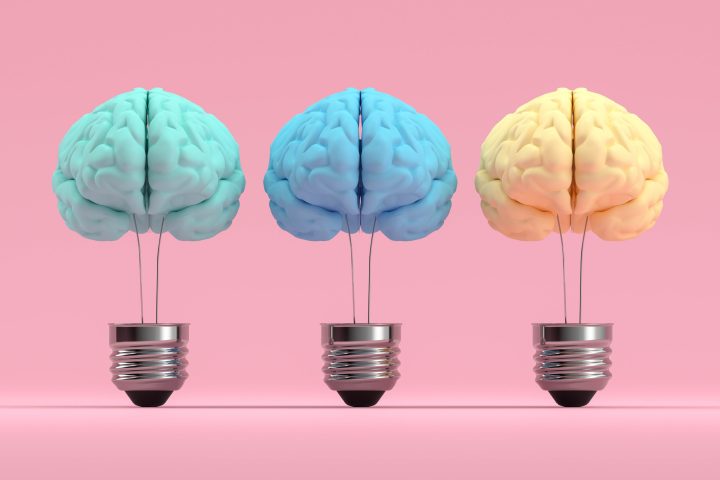
Neuroplasticity is the new self-care
How to rewire your brain for better living: reform, repair and renew neural pathways. Wellness contributor Cosette Calder unpacks neuroplasticity and cognitive fitness.
Every new thought, habit, or mindful moment strengthens healthy neural pathways. Reforming neural pathways, (or neuroplasticity), refers to the brain’s remarkable ability to reorganise itself by forming new neural connections throughout life in response to experiences. This process allows the brain to adapt, learn, and even heal from injuries. These neural connections are what form our thoughts and behaviour patterns as we move through our day-to-day lives.
Every time we learn or experience something new, our brain creates or strengthens connections between neurons. This is fundamental to learning, memory, and adaptation. Improvement is partly due to increased blood flow to the brain, supporting neuroplasticity and angiogenesis, both essential for learning and brain health. Combining physical exercise with mental activities like meditation can alleviate depression symptoms and improve cognitive control, contributing to a more positive outlook on life.
How does neuroplasticity work?
Synaptic plasticity: Changes in the strength and number of connections between neurons (synapses) are fundamental to neuroplasticity.
Structural plasticity: Neuroplasticity can also involve the growth of new neurons (neurogenesis) and the formation of new neural pathways.
Functional plasticity: The brain can shift functions from damaged areas to healthy ones, a crucial process in recovery from injury.
Cognitive fitness
Our ability to think, learn, and remember effectively depends on a healthy and adaptable brain. By actively engaging in behaviours that support neuroplasticity, you can strengthen your brain, protect against decline, and live an empowered life.
Research continues to focus on novel approaches to reforming neural pathways, particularly in the context of neurological disorders and brain injuries. Studies are exploring how to enhance neuroplasticity through various interventions, particularly in mitigating the effects of neurodegenerative diseases like Alzheimer’s and Parkinson’s.
Everyday strategies to support neuroplasticity
Try something new: Learn a new language, instrument, or skill (like painting or cooking).
Challenge yourself: Increase the difficulty of puzzles, games, or reading material to continuously build cognitive reserve.
Mix up mental workouts: Avoid routine by incorporating different activities like strategy games, creative hobbies, and problem-solving exercises.
Travel and explore: Visiting new places, even locally, enhances brain plasticity by exposing you to novel experiences.
Sleep: Quality sleep is essential for cognitive function and memory consolidation. During sleep, the brain processes and stores information, clears out toxins, and repairs neural pathways.
Exercise: Regular physical activity has been shown to promote the creation of new neurons, particularly in areas like the hippocampus, which is crucial for memory. Exercise improves blood flow, supports learning, and helps rewire the brain post-injury.
Mindfulness and meditation: Practising mindfulness and meditation can reduce stress, improve focus, and enhance emotional regulation.
Nutrition: The Mediterranean diet has been associated with a lower risk of cognitive decline. This diet emphasises fruits, green leafy vegetables, whole grains, fish, legumes, nuts, and healthy fats like extra virgin olive oil.
Social connection: Staying socially connected is essential for preserving memory and cognitive function as you age. Research shows socially active individuals are less likely to experience cognitive decline compared to those more isolated – aim to engage in conversation and interactive social activities.
Rehabilitation and recovery: Brain injury recovery through rehabilitative therapies often involves repetitive tasks and practice to strengthen existing neural pathways or stimulate the formation of new ones.
Neuroplasticity highlights the brain’s ongoing capacity for change and its potential for growth and adaptation throughout life. Understand it, and self-care becomes less about indulgence and more about transformation from the inside out.