

From survive to thrive: Christchurch Methodist Mission
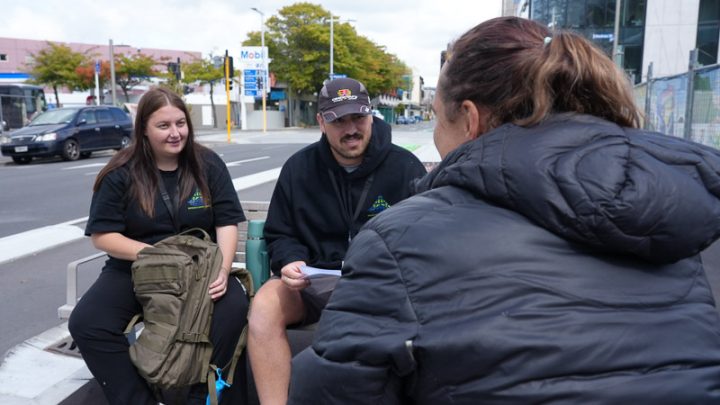
“He lived unseen in plain sight – an over-65 kaumātua surviving on the streets of Ōtautahi, sheltering himself in a makeshift, man-made hut, with no income, no identification, and no clear pathway to help.” Metropol editor Nina Tucker uncovers the city’s harsh homelessness epidemic in conversation with local social services organisation Christchurch Methodist Mission.
For more than a year, his days were shaped by uncertainty, relying solely on free feeds to get through. He carried the quiet weight of age, illness, and isolation with remarkable dignity. Without ID, doors stayed closed. Without income, stability felt impossible. That’s the story of just one individual as told by an outreach worker in the Housing First Ōtautahi division of Christchurch Methodist Mission.
Everything changed when he connected with the Outreach Rapid Response Team of Housing First Ōtautahi, a new service that supports people experiencing short-term homelessness, who may not meet the Housing First Ōtautahi criteria. From that first moment of engagement, he was met with urgency, compassion, and belief. “Our outreach nurses immediately wrapped health care around him, while the team worked tirelessly to restore his identity – securing ID, opening his first bank account in years, and ensuring his income began flowing. Step by step, the barriers that had kept him invisible were removed,” says Housing First Ōtautahi Manager Nicola Fleming. “Today, he is safely housed through social housing, no longer surviving but living, and deeply grateful for the support that reminded him he matters – that even after years on the street, it is never too late to be seen, supported, and brought home.”
Homelessness in Christchurch is systemic. The statistics are growing, media reporting is everywhere, more elderly than ever are on the streets – so who’s out there making a difference?
TACKLING HOMELESSNESS
The first person housed when the Outreach programme began in November 2025 was an 86-year-old female. “Let’s say, you’re over 65 and living in a rental. Your landlord decides to take back that rental, and charge someone else more than the 300 bucks a week you’ve been paying for 15 years. You can’t move out and still find something for the same cost.” The New Zealand Retirement Commission expects 40% of retirees, or 600,000 people, to be renters by 2048. They’re priced out of home and onto the street.
It’s a challenge that Nicola and her team face daily, trawling the city to find those people, or kaewa (Māori for to wander or roam), who feel invisible. “Our goal is to make homelessness rare, brief and non-recurring,” Nicola explains of the Housing First mission. “We just want people in warm, dry homes.
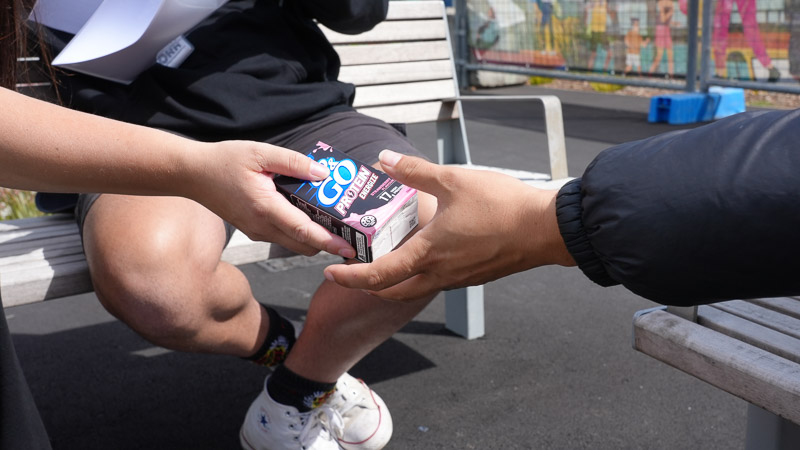
“But we find that homelessness is so transient and we continually get new people into Ōtautahi who travel from everywhere.” For the Outreach Rapid Response team, it’s impossible to know how and where to find them – unlike Auckland where homelessness is more concentrated and identifiable in the CBD. “Yes, we have that, but kaewa are also in garages, sleepouts, parks across the city, in cars, and in the Red Zone.”
It isn’t one-size-fits-all, and the approach for wrap-around support shouldn’t be either. But with something so historically stigmatised and systemically mismanaged, what does that method look like? “Our approach aligns with the Housing First principles,” Nicola says. “Housing is a basic human right. There are no preconditions to receiving housing. The process focuses on client-led recovery, choice of housing and support, a separation of housing and support services, community and social integration and the availability of wrap-around support for as long as it is needed.”
In practice by the Outreach Rapid Response team, that looks like compassion and understanding – support that walks the journey with you, at your pace. “If you said to an alcoholic, ‘you have to stop drinking, and please stop drinking at four o’clock today,’ we all know that’s not going to work,” Nicola explains. “It’s more about harm reduction, and what does that look like, and what can you cope with?”
Instead of a Band-Aid fix that will soon unstick, Nicola’s team leads the charge by making positive, permanent change. “The difference is, we put them straight into permanent housing, rather than step them through emergency housing or transitional housing.” Over the eight years since Housing First Ōtautahi was launched, their approach has led to an 80% success rate with one kaewa a day in December 2025 supported into permanent housing. “We’re really proud of that, but it’s hard, hard work.”
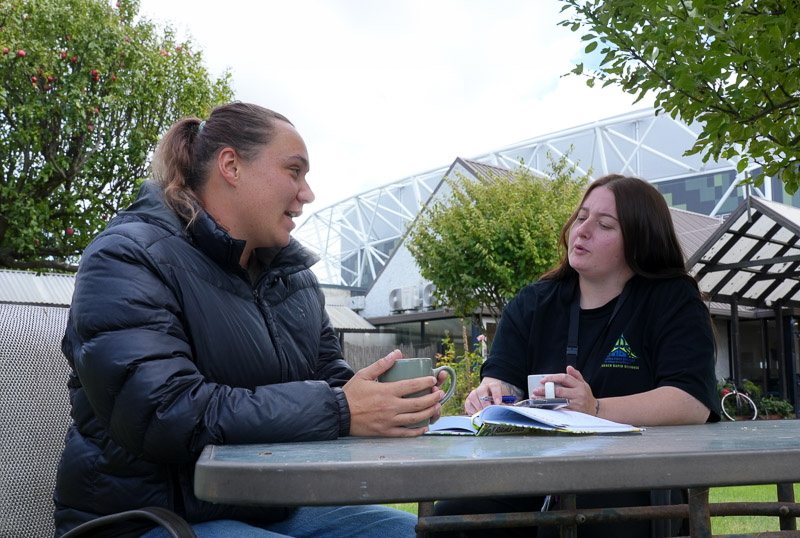
The Housing First framework is reliable, though the statistics are an extension of this one-of-a-kind team of 10, from social support to mental health professionals – individuals building relationships with marginalised communities through commitment, trust, and goodwill. “We employ people who can work in this space. That sounds easy, but it’s really hard to find people with resilience and empathy and the natural desire to help people in this space, because it’s challenging.”
CAN YOU HELP?
Housing First Ōtautahi collaborates with Kainga Ora, the Ministry of Social Development, and their partners for housing opportunities. The waitlist is growing, and society’s negative preconceptions means there’s more need than available housing. “We have housing locators in each of our teams who try to find private housing through landlords, and that is the key to getting those extra few kaewa over the line. We need more, so we’re always looking for landlords who are willing to rent their properties to us, one or two bedrooms, and we’ll handle the rest,” she says. “We get a lot of people ringing us and saying ‘here you can have my home. It hasn’t got a fire alarm and there’s no plumbing, but a homeless person can have it.’ Sorry, we’re not putting someone in housing like that. It’s about that dignity and finding a place they can call home with a community which makes them strive.”
If you have a clean, warm and dry home, Housing First Ōtautahi can find tenants and guarantee rent for you without a management fee. Tenants are visited weekly and properties inspected monthly. The model works for both tenants and landlords. If you can help make homelessness rare, brief and non-recurring in Christchurch, call 0800 43 2424 or email referrals@housingfirstchch.co.nz.