

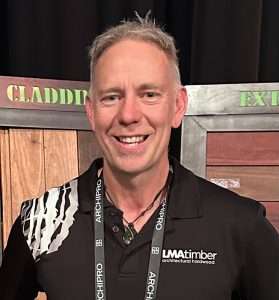
Founder LMA Timber Martin Thompson: Aotearoa and the Amazon rainforest
Each year, two million hectares of Amazon rainforest – an area the size of Wales – are cleared and exported, including to New Zealand. Even when FSC-certified, harvesting tropical hardwood from the Amazon is not sustainable. Consumers need to be aware that it must stop, writes Martin Thompson, founder and director of LMA Timber.
Brazil and the Amazon rainforest might seem a long way from Aotearoa New Zealand yet it has a significant influence on our environment, economy, and people.
Known as the ‘lungs of the Earth’, the Amazon rainforest is vital to global biodiversity, climate regulation, and indigenous livelihoods. Specifically, the Amazon acts as a major carbon sink, and deforestation contributes to climate change, which exacerbates extreme weather events globally, including those affecting
New Zealand. We have been importing tropical rain forest timbers for decades, therefore supporting the deforestation of the Amazon and Indonesian rainforests. The Forest Stewardship Council (FSC) certification was created to promote responsible forestry, yet only 2% of timber that comes from the Amazon is FSC certified – what happens to the other 98%? Even certified harvesting of tropical hardwood in the Amazon is ultimately unsustainable due to a host of ecological, social, and enforcement challenges, including:
Ecological impact: Tropical hardwoods like Purple and Greenheart are often keystone species. Their removal disrupts biodiversity, weakens the forest’s structure, and harms habitats. With around 1.4 billion trees cut annually and regeneration rates slow – Greenheart can take over 60 years to mature – the balance is unsustainable.
Climate consequences: The Amazon stores vast amounts of carbon, making it a crucial buffer against climate change. Logged trees are not being adequately replaced, reducing the forest’s ability to sequester carbon.
Forest recovery issues: Logging alters forest dynamics. Secondary growth forests are less diverse and less capable of delivering the same ecological benefits as primary forests. Moreover, deforested land is often repurposed for livestock or soybean farming, further degrading the ecosystem.
Social and cultural damage: Logging, FSC-certified or not, often displaces indigenous communities and disrupts traditional lifestyles. Infrastructure like roads bring conflict and loss of access to ancestral land.
Illegal logging: Despite FSC efforts, illegal logging is rampant, estimated at up to 80% of all certified timber. Fraudulent mixing of legal and illegal timber, combined with poor oversight, undermines certification credibility.
The harvesting of tropical rainforest hardwood from the Amazon, even with FSC certification, remains unsustainable due to ecological, social, economic, and enforcement challenges. The rainforest is a unique and irreplaceable ecosystem that requires a holistic and stringent approach to conservation. FSC certification, while a step in the right direction, falls short of addressing the complexities and sensitivities of logging in this critical region. To truly protect the Amazon, we need to shift our focus from logging this hardwood to more sustainable alternatives and preserving protected areas by supporting community-led conservation models – like PEFC in Australia. Only then can we protect the Amazon for future generations.