
For the paint-hearted
The finalists for the 40th annual Dulux Colour Awards have been announced, including two stand-out properties from Christchurch.
This year marks the 40th anniversary of the prestigious Dulux Colour Awards, which is New Zealand and Australia’s premier showcase of inspirational colour application in interior and exterior residential, commercial or industrial builds. The awards recognise innovation and excellence in the transformative use of Dulux Colour in the built environment.
Fittingly for such a milestone, 2026 saw a record number of more than 540 entries from New Zealand and Australia. From these, a panel of five esteemed design and architecture professionals selected 96 finalists including two notable Canterbury builds, namely Casterton Cottage in Heathcote, and Te Pākau Maru, a mixed-tenure residential development in New Brighton.
Winners will be announced at Dulux Colour Awards Gala on 27 May 2026.
Canterbury winners at the colour awards
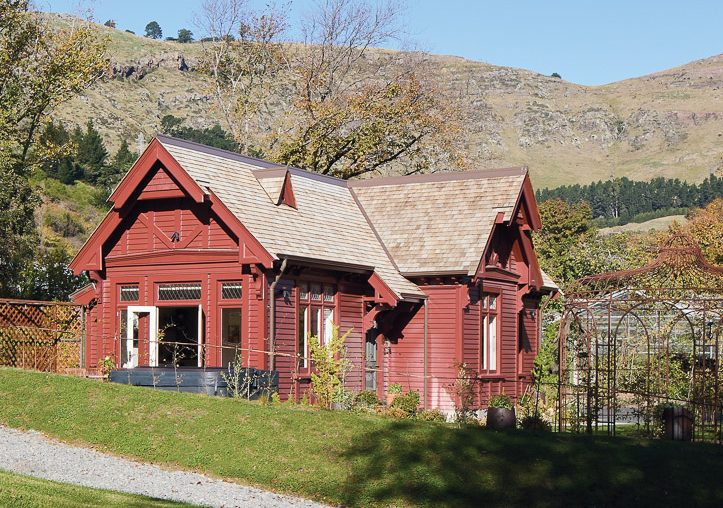
Casterton Cottage, a local project by Chris Young Architectural, has been recognised for its thoughtful and character-led use of colour, following a full restoration of the historic building. Originally part of the Anglican Bishopscourt complex, the cottage was rescued and reimagined after being found in a derelict state post-earthquake, making this as much a story of preservation as it is design.
What makes the project compelling is its approach to colour. Rather than leaning into a traditional “heritage palette,” the design uses a deeper, more contemporary red across the entire exterior, creating a look that honours the building’s history while giving it a fresh, modern identity.
“Casterton Cottage was a project to save one of Christchurch’s iconic buildings, following the 2011 earthquakes,” says director Chris Young. “The cottage was originally part of the Anglican Bishopscourt complex; a small building conceived in the romantic manner of the late 1860s when Christchurch had a Gothic revival. The project was a full restoration and interior remodelling with a whimsical modern Victorian interior specified.
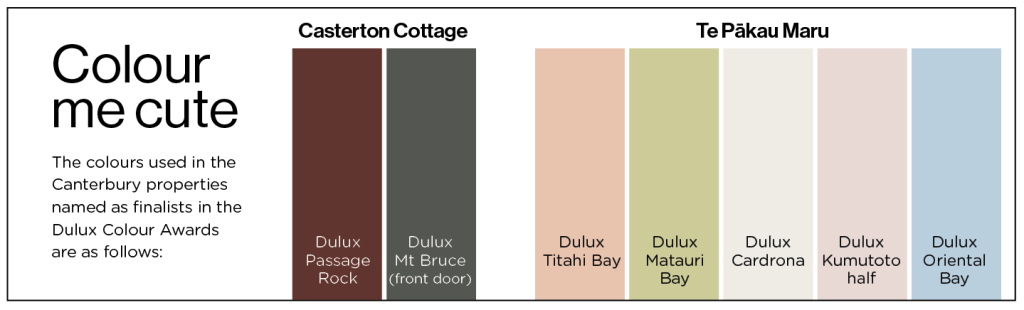
“Dulux Passage Rock was chosen for the exterior in reference to heritage red houses in New Zealand, which typically include intricate wooden details of the Victorian era. Passage Rock is a darker, browner red than has been typically used; this was chosen to create a more contemporary exterior. The wooden detailing was a large feature of the exterior, but the decision was made to extend Passage Rock to all exterior details, leading to a more cohesive, less “quaint” appearance. The colour sat well with the new cedar shingle roof and Lignite colour downpipes, ridge and gutters. The property sits in a large garden with the Passage Rock adding to the rich colour palette.
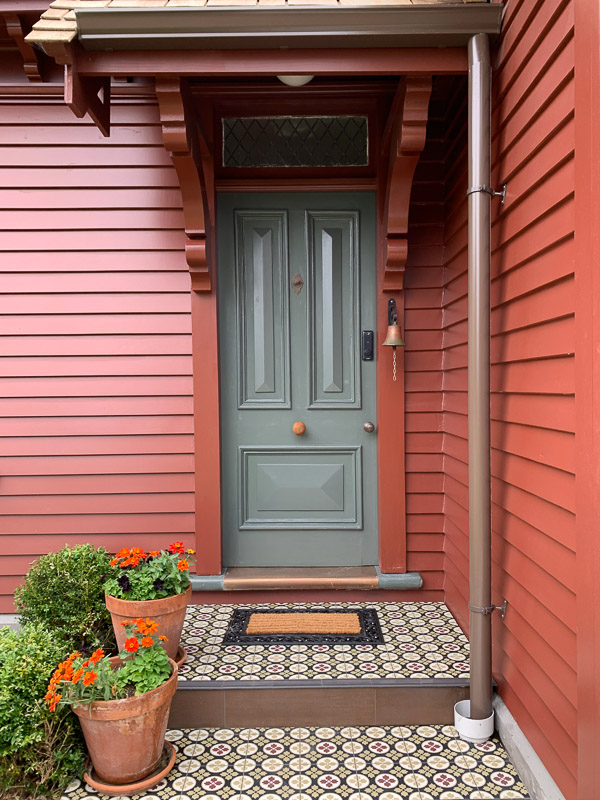
Judge’s say: “The entrance was a key feature of the cottage, with the continuation of the main roof over the entrance, resting on heavy wooden brackets. The bell (gifted by the Christchurch Cathedral bell ringers to the Bishop) and the mosaic steps added charm to the entrance. Debate was had as to whether a bright contemporary colour would have been appropriate, but the decision to use Dulux Mt Bruce was settled upon to add some gravitas to the exterior in reference to its history.”
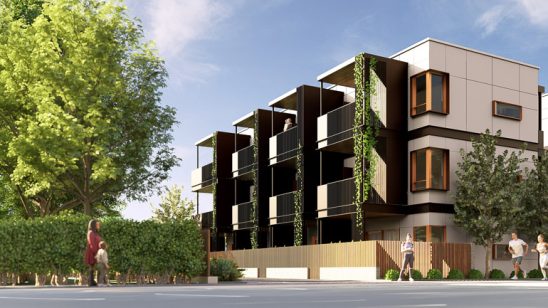
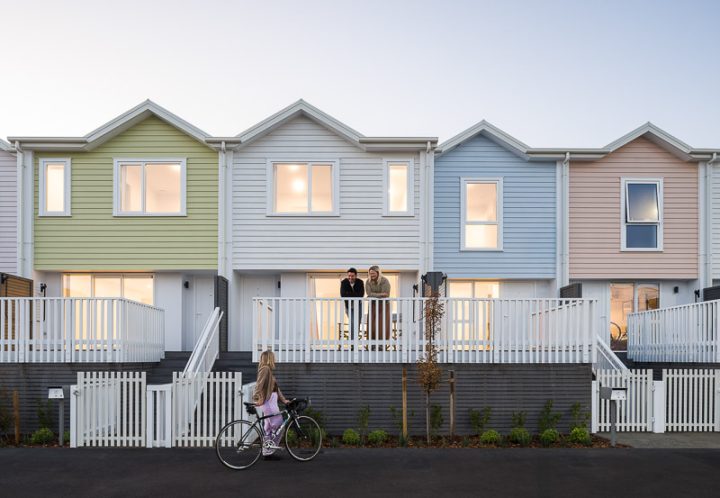
Te Pākau Maru, New Brighton, a mixed-tenure residential development delivering 63 homes across three former brownfield sites in New Brighton, Te Pākau Maru was developed by Kāinga Maha. Judges say the project stood out for its confident, considered use of colour, which anchors the project within its environment and identity.
Director at Kāinga Maha Annie Wilson, says, “Colour was fundamental to expressing the identity and intent of the development. Te Pākau Maru translates to ‘the sheltering wing’ or ‘the place of joy’, a name gifted by Ven Dr Lyndon Drake. The exterior Dulux palette was selected to embody that sense of shelter, warmth and optimism. Tones reflect the surrounding beach, sea and sky, with reference to the vibrancy of traditional beach huts, resulting in a context-responsive, contemporary identity within the neighbourhood.”