
East meets West
As Chinese New Year celebrations get underway, we consider the influence of Chinese art and culture on modern interiors and wallpaper design.
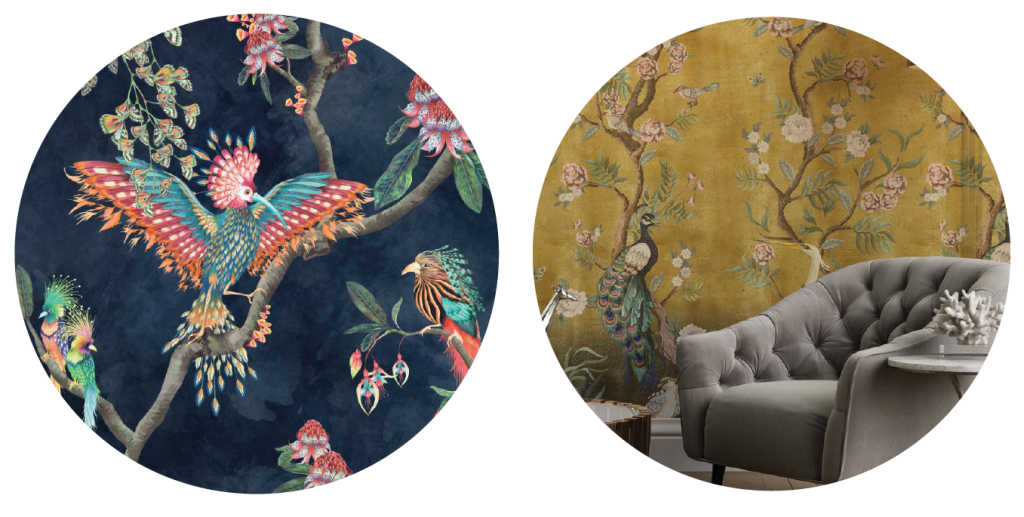
Chinoiserie has long been a bridge between East and West, and its influence continues to shape modern wallpaper design in new and imaginative ways.
Originating in 17th- and 18th-century Europe, Chinoiserie is the interpretation of Chinese and East Asian art through a Western lens. Common designs feature pagodas, sumptuous floral patterns, weeping willows, stylised human figures and fantastical creatures such as dragons and tigers.
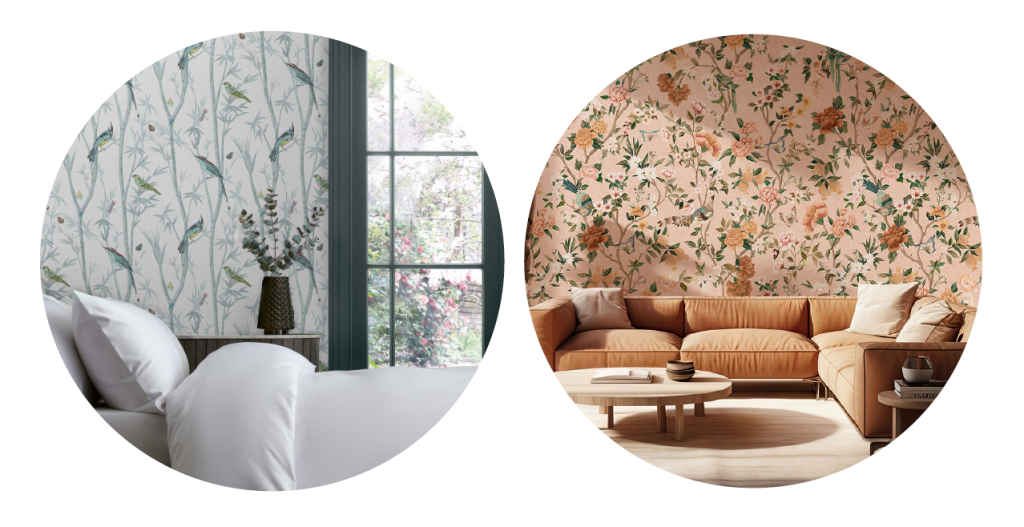
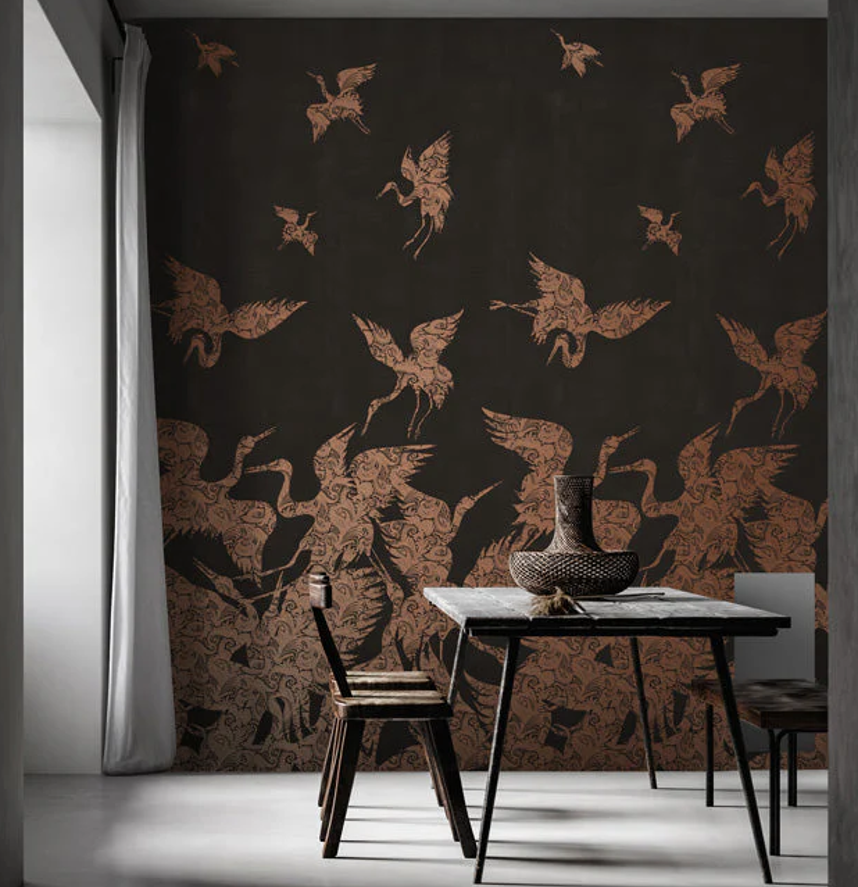
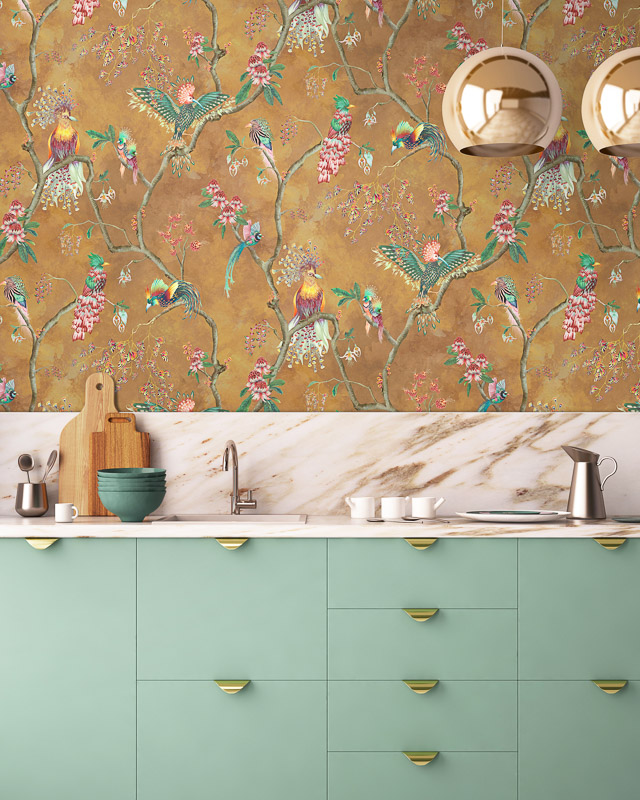
Today’s designers revisit these motifs with a contemporary eye, blending traditional imagery with modern colour palettes, digital printing techniques, and pared-back compositions. Hand-drawn branches, cranes, or horses might drift across clean, understated backgrounds, while bold panoramic designs turn walls into scenes that tell a story.
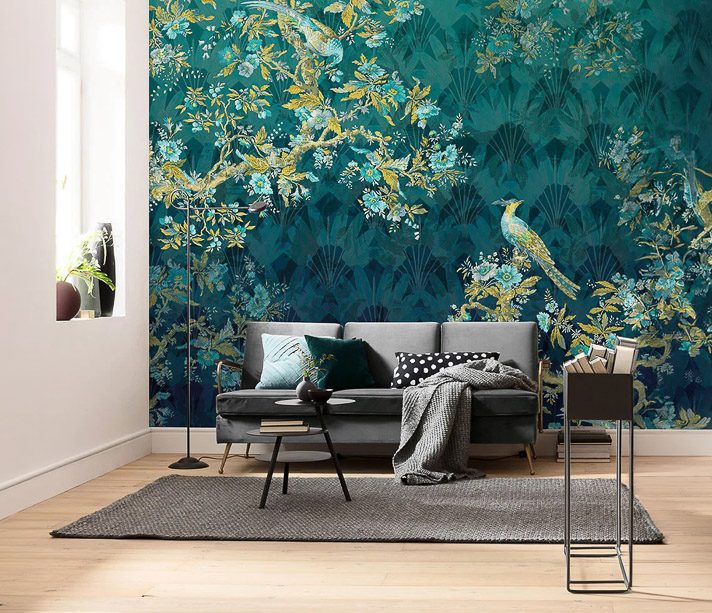
The connection of East and West is more keenly remembered and celebrated at Chinese New Year, and in today’s interiors, wallpapers inspired by Chinoiserie often use symbols associated with renewal, prosperity, and luck, which are key themes of the new year celebrations.
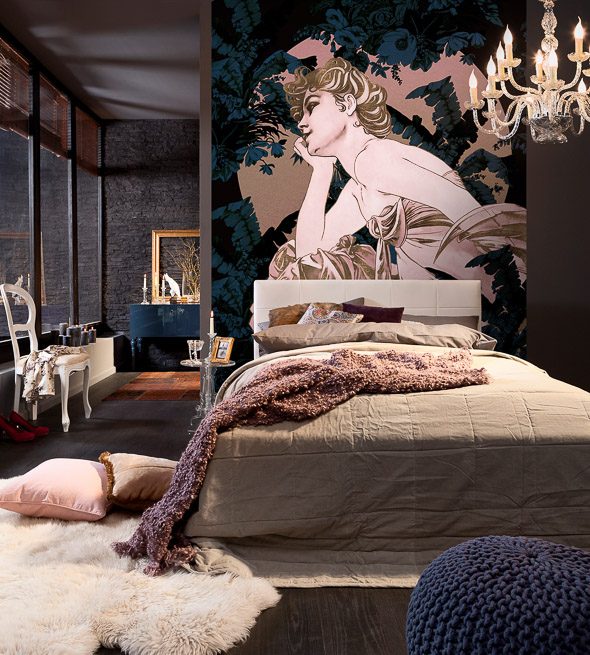
ABOUT CHINOISERIE
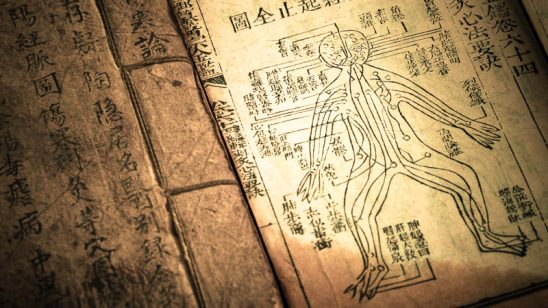
Chinoiserie is a European 17th-18th century artistic and decorative style (from the French word chinois, meaning Chinese) that reimagines East Asian motifs through a romanticised lens. It is not an accurate representation of Chinese culture, but rather an imaginative, ‘exotic’ fantasy of it that emerged from increased trade with East Asia, particularly during the High Qing era between 1683 and 1799.