
Ancient balance, modern calm:
From acupuncture to herbal remedies, Traditional Chinese Medicine has shaped many of today’s complementary health and wellness practices.
In an era of symptom-focused solutions, Traditional Chinese Medicine (TCM) offers a vision of health rooted in balance, prevention, and the interconnectedness of body and mind. With origins stretching back more than two millennia, TCM remains one of the world’s most enduring medical systems, practised today by millions across the globe.
“The superior physician treats disease before it arises,” states the ancient medical text Huangdi Neijing (The Yellow Emperor’s Classic of Medicine), a foundational work compiled around the 2nd century BCE. This principle still defines TCM’s approach: illness is not an isolated event, but the result of imbalance over time.
As American medical researcher and TCM scholar Ted Kaptchuk explains, “Chinese medicine does not see the body as a machine, but as a dynamic system in constant interaction with its environment.” (Kaptchuk, The Web That Has No Weaver).
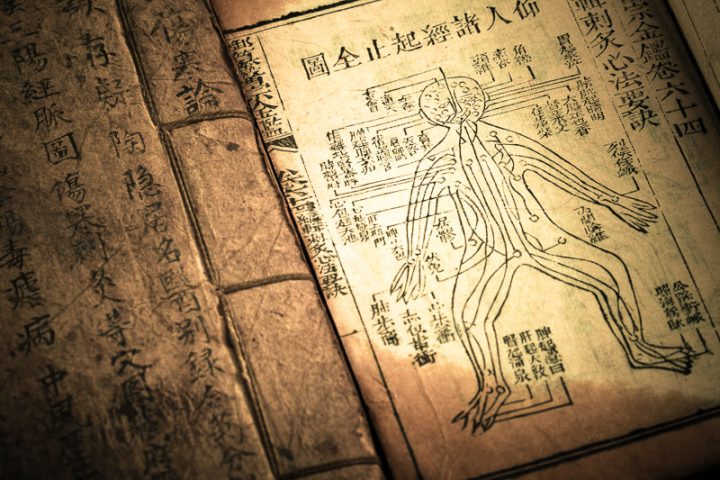
At the core of TCM is chi, the vital energy believed to animate all living things. Chi flows through the body along channels known as meridians, nourishing organs and tissues. When this flow is disrupted, discomfort and disease may follow.
Balancing chi depends on the balance of yin and yang, opposing yet interdependent forces such as rest and movement, cooling and warming, inward reflection and outward action. Add to this the five elements of wood, fire, earth, metal, and water, which link organs to emotions, seasons, flavours, and personality traits. Together, these ideas form the diagnostic and therapeutic backbone of TCM. Here in the West, they have been integrated into three main areas:
1. Acupuncture, heat, and healing touch
Acupuncture, now widely practised worldwide, works by stimulating specific points to regulate chi and blood. Research institutions increasingly study its effects on pain, stress, and nervous system regulation, but its roots are ancient. According to the Neijing, “Where there is free flow, there is no pain; where there is pain, there is no free flow.”
Complementary techniques include moxibustion, which uses heat from burning dried mugwort on acupuncture points to warm, stimulate, and enhance the flow of chi and blood, and Tui Na, a Chinese medical massage that corrects physical and energetic imbalances.
Modern wellness has also adapted TCM’s energetic maps in new ways. Emotional Freedom Techniques (EFT), commonly known as tapping, blends focused attention
with tapping on acupuncture points. Clinical EFT practitioner Dawson Church describes tapping as “a way of
sending safety signals to the brain through the body’s energy system.”
2. Herbs, food, and nature’s wisdom
Chinese herbal medicine is one of the most sophisticated plant-based healing systems ever developed. Rather than single remedies, practitioners prescribe formulas tailored to the individual. Herbs are classified by temperature, taste, and function, creating treatments that evolve with the patient.
Food, too, is medicine. In TCM dietary therapy, eating seasonally and according to one’s constitution is considered essential to long-term health. The idea that “medicine and food are of the same origin” can be traced back to the ancient Chinese healer Shennong, who tasted hundreds of herbs and is considered the discoverer of herbal medicine.
3. Movement, breath, and prevention
Practices such as qigong and tai chi blend breath, movement, and focused awareness to cultivate vitality. Once practised in imperial courts and Daoist (or Taoist) monasteries, these methods are now widely recognised for stress reduction, balance, and healthy ageing.
TCM offers a reminder to listen to our bodies, to the seasons, and to the subtle signals of imbalance before they become loud. See page 37 for practices you can do at home.
Do try this at home:
TCM-inspired wellbeing
You don’t need a practitioner or needles to experience some of the balancing principles behind Traditional Chinese Medicine.
1. Calm the nervous system with DIY acupressure
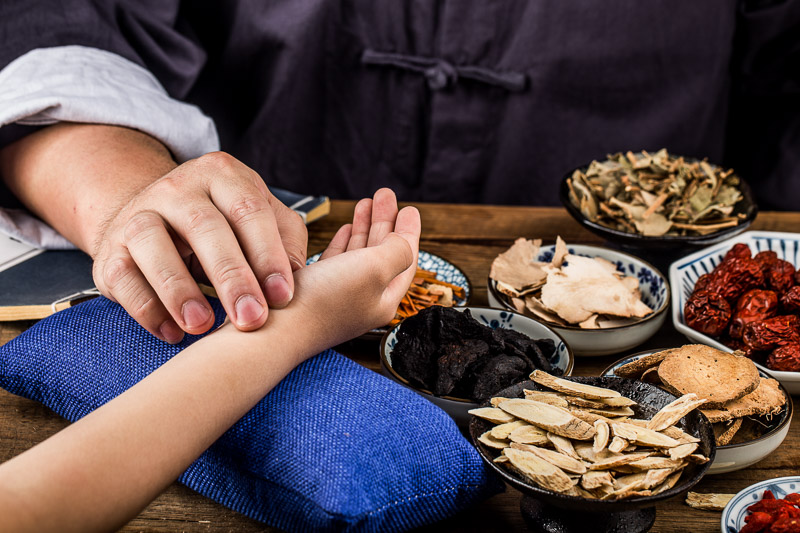
Using your thumb, apply gentle pressure to the point Pericardium 6 (PC6), located about three finger-widths below the wrist crease, centred between the two tendons on the inner arm. Hold for 30 to 60 seconds while breathing slowly. This point is traditionally used to ease stress, calm the heart, and support digestion.
2. Try a short EFT Tapping reset
Emotional Freedom Techniques (EFT), also called Tapping, combines TCM with Western talk therapy. By using your fingertips to lightly tap on certain acupuncture points, such as the ‘karate chop’ side of the hand, the start of an eyebrow, under the eye, and the collarbone, while focusing on a calming phrase like, ‘I’m safe in my body right now.’ This EFT-inspired practice blends modern psychology with ancient meridian theory and can be especially grounding during moments of overwhelm.
3. Eat with the season
TCM encourages adjusting meals to match the weather. In cooler months, prioritise warm, cooked foods like soups, stews, and roasted vegetables. In warmer seasons, add lighter dishes, fresh greens, and hydrating fruits. Think balance, not restriction.
4. Move slowly on purpose
Spend five minutes a day practising slow, mindful movement, gentle stretching, walking, or a simple qigong-inspired arm flow. Keep your breath relaxed and your attention on how your body feels, not how it looks.
5. Create a wind-down ritual
According to TCM, chi cycles around the body every 24-hours, spending two hours in each of our 12 organs. For this reason, evenings are meant for rest and restoration to allow the small intestine, bladder, kidneys, and pericardium to do their work. Dim lights, avoid cold drinks at night, and take a few deep belly breaths before bed to signal your system that it’s time to slow down.
Are you ready to ride the fire horse?
Chinese New Year 2026 falls on Tuesday 17 February, marking the start of the Year of the Fire Horse.
The Year of the Fire Horse carries blazing momentum, fierce independence, and a call to bold self-expression. As we leave the Year of the Snake behind, with its quiet strategy, introspection, and careful shedding of old skins, we step out of reflection and into action. To harness Fire Horse energy, honour movement: act, decide, and create rather than waiting for perfect conditions. This year rewards courage, especially when paired with clarity. Set intentions that genuinely excite you, then commit to steady, disciplined action so passion doesn’t burn out too fast.
Balance is essential. Fire can inspire or consume, so ground yourself through routines, physical exercise, and moments of stillness. Choose projects, causes, and relationships that align with your values; the Fire Horse becomes a force for transformation when its power serves a purpose larger than ego. Trust your instincts. This is a year to lead, innovate, and reclaim personal freedom with confidence, awareness, and heart.