

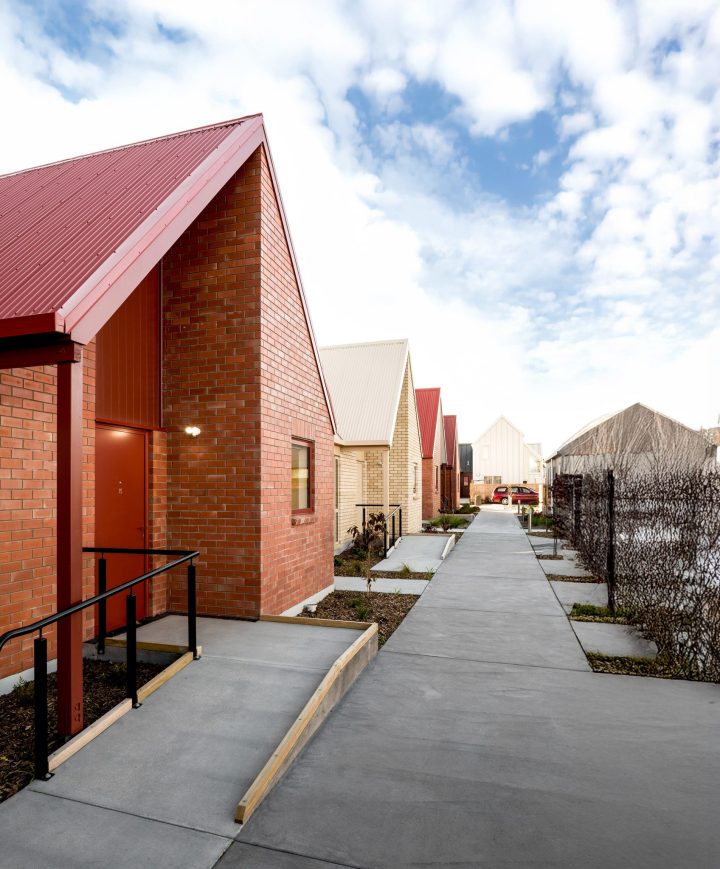
Age-old problem: Israel Cooper
Despite looking efficient on paper, New Zealand’s retirement housing is failing communities and seniors.
My grandmother is 86. She wants to live near her 30 grandchildren, her church, her doctor, and the familiar streets she has walked for decades. Yet finding an affordable, accessible home outside a retirement village proves nearly impossible. New Zealand has built a retirement housing system that looks efficient on paper but often fails in practice. Mono-tenure, age-segregated villages promise safety and convenience, yet often extract our seniors from the ordinary life of their neighbourhoods. The result is poorer social connection, higher long-term costs, and communities that lose elders as mentors, volunteers, and culture bearers.
The research is consistent. Most seniors, like my grandmother, want to remain in familiar places when the right supports are available. Adapted homes, reliable transport, and responsive local services protect health and independence. Age segregation, by contrast, raises the risk of loneliness, which is strongly linked to worse health and lower life satisfaction. Intergenerational contact is a protective factor. When ages mix, both the young and the old benefit through shared purpose, informal care, and everyday reciprocity.

Co-Founder & Trustee Home Foundation
The economics tell a similar story. Building and operating standalone villages is capital-intensive and locks care into fixed sites. As more people enter retirement without owning homes, that model will only become less sustainable. By contrast, retrofitting existing homes for accessibility, funding in-home support, and strengthening neighbourhood services scale more efficiently because they build on what communities already have. A well-connected street with level entries, safe footpaths, and reliable transport serves everyone, not just one age group. The demographic wave is here, and finding a scalable, sustainable response has never been more urgent.
There is a better path. Prioritise intergenerational, mixed-tenure neighbourhoods where housing is adaptable, accessible, and close to daily needs. Use existing levers such as targeted home modifications, portable care packages, and incentives for age-friendly design. Align planning, transport, and health so people can stay local as needs change. Measure success by reductions in loneliness, avoidable hospitalisations, and carer stress, not only by units delivered or occupancy rates.
This is not an argument against all retirement villages. It is an argument against letting a single product define ageing. Choice should include staying put with support, small co-housing, multi-generational options, and yes, high-quality villages where they are the right fit. Our parents and grandparents should not have to choose between safety and belonging. We can build communities where both are normal.