
Lisa Philp on homing hounds
With the ban on greyhound racing coming into effect from 1 August, about 1600 ex-racing greyhounds are looking for homes. Metropol deputy editor Tamara Pitelen spoke to the national manager of Greyhounds As Pets Lisa Philp about rehoming Aotearoa’s great hounds.
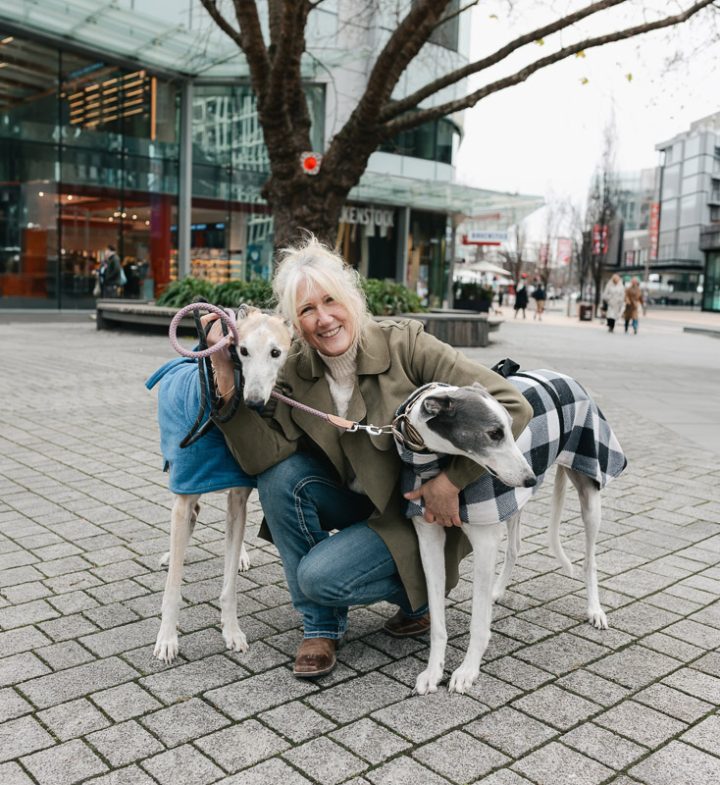
Lisa Philp has five greyhounds at home.
As the national manager for the organisation Greyhounds As Pets NZ (GAP), a charity that rehomes greyhounds that are leaving the racing industry, it’s something of an occupational hazard.
“I’d always lived with two dogs. Over the years, I’ve had three German Shepherds, a golden retriever, and a couple of great rescues, but ever since I first met greyhounds, I’ve just loved them. In 2020, I was at a point where I thought, ‘this is a good time in my life to have a greyhound’. So, I got Mason. He was the gateway drug, and now I have five.”
Lisa first met greyhounds while working for a vet clinic in Auckland. “We lived near a trainer and I discovered that they’re just so gentle, quiet and empathetic. As well as really cuddly.
I’d wanted one ever since.”
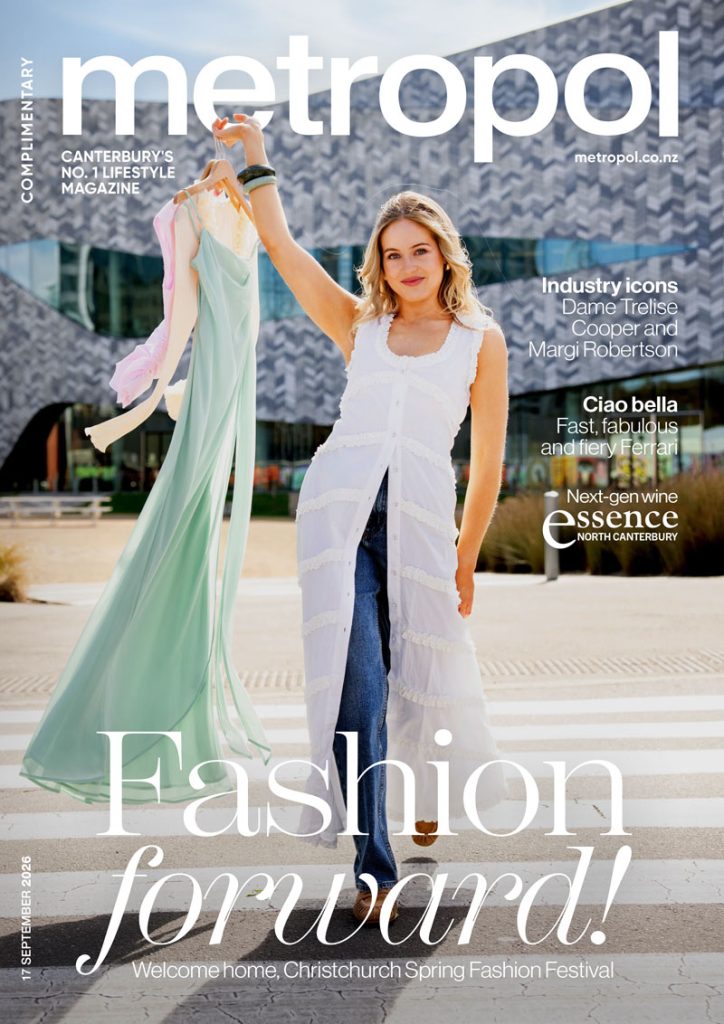
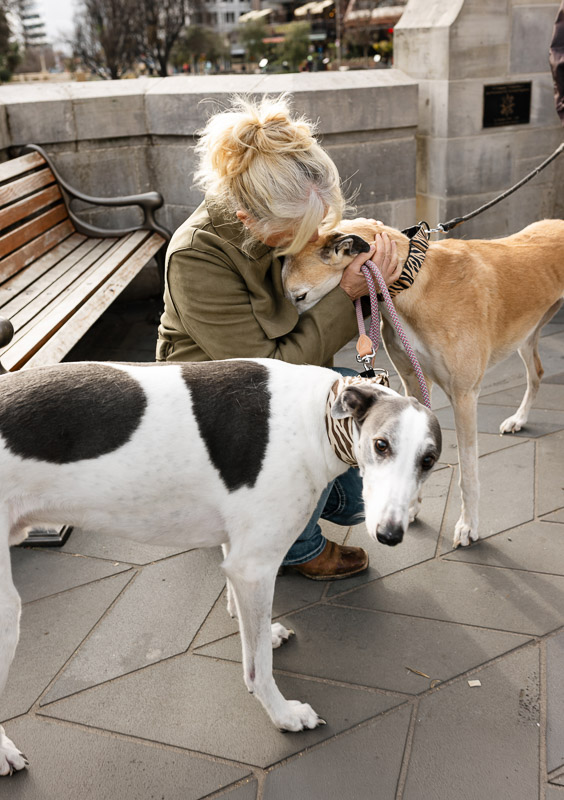
The second greyhound to find a home with Lisa was Patch, who, along with Roman-nosed Mason, is a cover star for this issue of Metropol.
“Initially, Patch just came to stay with me just to be assessed for whether or not he could live with cats, because I had cats at the time. The answer was that he got on just fine with the cats, but after a few days, I couldn’t give him up, so I adopted him too.”
Previously the Senior Rehoming Coordinator in the South Island region, Lisa has been national manager for GAP since August 2025, but the organisation has been going for 20 years. It was launched in March 2006 by then Racing Minister Winston Peters as New Zealand’s first dedicated adoption programme for retired racing greyhounds. Then, in 2018, following recommendations from the 2017 Hansen Review Greyhound Racing New Zealand established the Great Mates Rehoming Programme, which was tasked with preparing retired greyhounds for adoption before they were transferred to organisations such as GAP and other rehoming agencies.
Last year, GAP rehomed 225 greyhounds directly from the racing industry and another 54 dogs through returns and other circumstances. This year, with the nationwide ban on greyhound racing coming into effect from 1 August as a response to ongoing animal welfare concerns, about 1600 ex-racing greyhounds will need a place to call home. It’s believed some dogs will also be exported to Australia, where racing remains legal.
“Luckily, greyhounds are great for many of the places we Kiwis live: apartments, small spaces, urban places. Big on sleep and small on exercise, these gentle and well-mannered hounds are ready to fit in with your whānau,” says Lisa.
Happily, New Zealanders are answering the call. The small team at GAP is currently fielding a huge volume of enquiries. “So if we take a while to get back to you, please bear with us,” she adds.
“All of our team are committed to matching the right hound to the right family. Our greyhounds are carefully assessed and matched to their new owners. We act a bit like a dating agency. Our greyhounds also visit a vet for a health check, neutering and microchipping, and we ensure that their vaccinations and council registrations are up to date.”
________________
40 FOSTERED DOGS… AND COUNTING
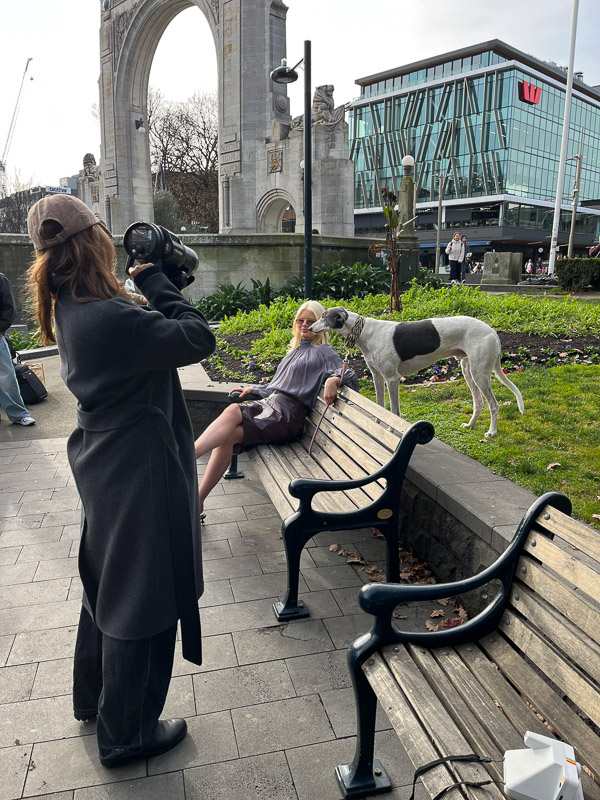
Since adopting their own greyhound, Shadow, seven years ago, Michele and her daughter Alyxandra started fostering in 2022 and have since welcomed around 40 greyhounds into their home.
For Michele and her daughter Alyxandra, fostering greyhounds is a way of giving retired racing dogs the chance to discover life beyond the track.
After adopting their own greyhound, Shadow, seven years ago, the pair wanted to do more. They began fostering in 2022 and four years later have provided love, care and shelter to 40 retired greyhounds.
Current foster dogs Prince and Marcus are just the latest to benefit from their care before moving on to permanent homes.
Each dog arrives with a different story, they say. Some are confident, while others are so anxious they need medication to cope with their new surroundings. But with patience and care, Michele says the transformation can be remarkable. “Watching the dogs actually live their life and become more confident is really nice to see,” she says. “They come off that medication, and then they live their best life.”
Their family, including Michele’s husband Michael who does a huge amount for GAP, has embraced the busy household, even if the challenges include sometimes “having more greyhounds in your house than humans” and dog beds scattered throughout every room.
Although saying goodbye to a fostered dog can be bittersweet, Michele says seeing them thrive makes it worthwhile. “The most rewarding part is just watching how they change and respond to the love and care,” she says. “We’re just getting them ready for pet life.”