
The weight is over
By Ian Knott
I wasn’t expecting to replace my Dyson.
The Gen5detect has been my vacuum of choice for quite some time. It cost a small fortune, it’s packed with technology and, until recently, I assumed it would remain the best cordless vacuum I’d own for years to come. Then the Shark PowerLite Clean & Empty turned up. A few weeks later, the Dyson had quietly been moved aside, and I found myself reaching for the Shark almost every time I needed to vacuum.
The biggest difference between the two isn’t suction, battery life or technology. It’s weight. The PowerLite is 2.7kg with the Dyson coming in at 3.5kg. That doesn’t seem like much, but in real world terms – it’s noticeably lighter on the arm, and that changes the whole experience of using it. Lugging it around, vacuuming cobwebs from the ceiling, cleaning curtains or simply doing the whole house becomes less tiring. It’s one of those improvements that’s difficult to appreciate from a specification sheet, but obvious within a few minutes of actually using it.
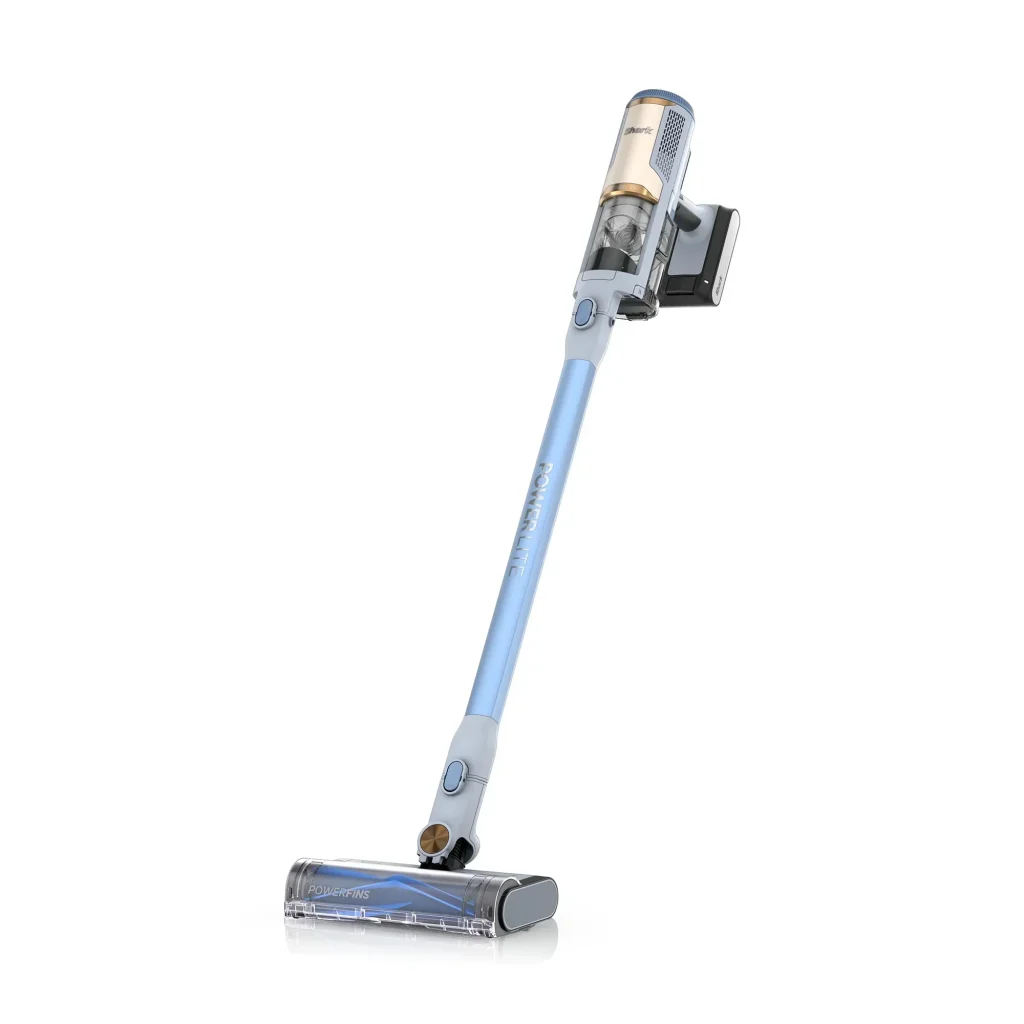
Despite being lighter, it still feels reassuringly well made. Nothing creaks, nothing feels flimsy and everything clips together with a satisfying precision that suggests Shark hasn’t sacrificed build quality in the pursuit of shaving off a few hundred grams.
Once you start cleaning, the vacuum pretty much looks after itself. Move from hard flooring onto carpet and you can hear the motor quietly increase its effort before settling down again as soon as you’re back on timber or tiles. You notice it happening during the first couple of cleans, then it simply becomes part of the background. Before long you’re no longer thinking about suction levels because the vacuum is making those decisions for you.
That same “set and forget” approach extends to the docking station. Finish vacuuming, place the PowerLite back on charge and it automatically empties its own dust bin into the larger container inside the base. It’s surprisingly satisfying to watch the first few times, but the novelty quickly gives way to convenience. After a week or so, you realise you haven’t emptied the vacuum once because it has quietly been doing it itself.
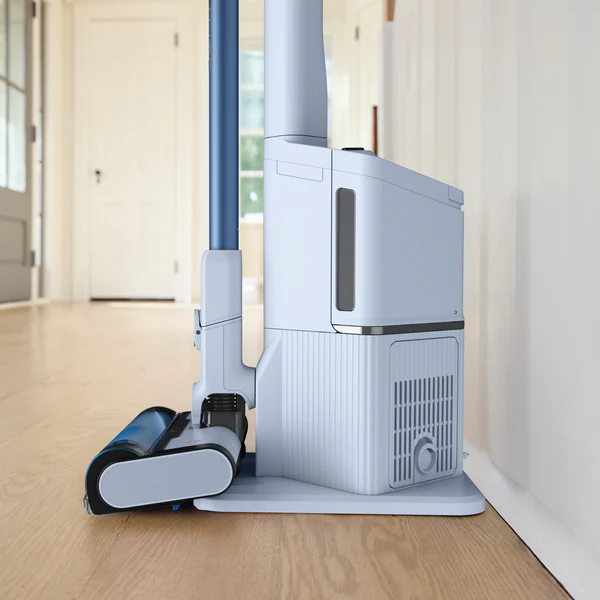
The only thing worth keeping an eye on is the larger dust container inside the dock. It fills more quickly than I expected and, because the viewing window isn’t especially obvious, I occasionally found myself crouching down to check how much room was left. It’s hardly a deal-breaker, but it’s easy to forget the base station needs emptying because the vacuum itself never does.
What ultimately won me over, though, had nothing to do with floors.
Like most people, a fair chunk of my vacuuming happens with the floor head removed. Skirting boards, window tracks, shelves, furniture, the car, cobwebs in awkward corners… those little jobs probably make up half the reason I own a cordless vacuum in the first place.
This has always been my biggest frustration with the Dyson. Remove the cleaning head and the suction drops away so dramatically that it almost feels like you’re using a different machine. The Shark doesn’t seem bothered. The cleaning head comes off, the suction stays strong, and suddenly those awkward jobs become genuinely satisfying instead of mildly frustrating.
That, more than anything else, is why the Shark replaced the Dyson in my house.
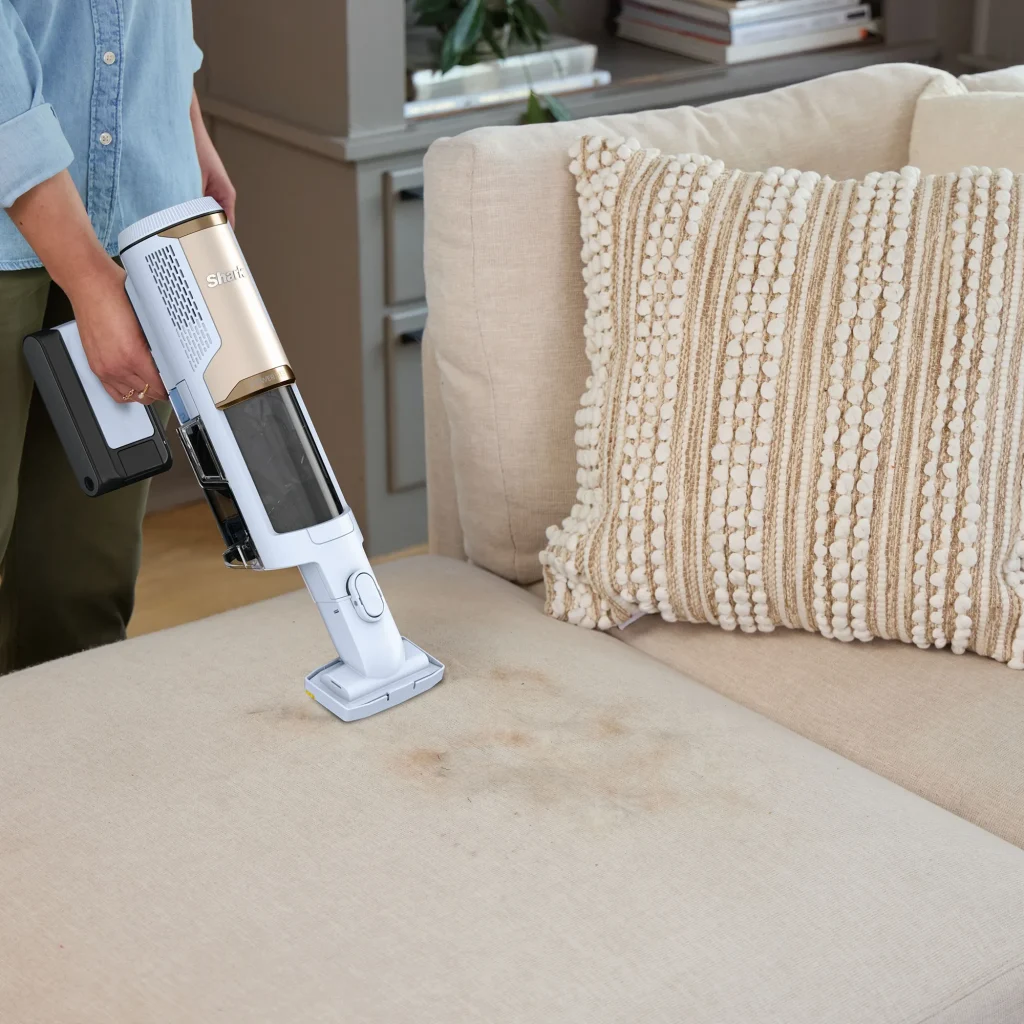
It’s also a cleaner vacuum to own. Dust doesn’t seem to cling to every internal surface in the way it often does inside the Dyson, so giving the machine itself a clean takes far less effort.
Now, before Dyson owners start writing angry letters, the Gen5detect still has some very clever technology. The laser illumination is brilliant, and watching the display identify microscopic dust particles is oddly fascinating. For a while, anyway.
Eventually I realised I wasn’t vacuuming because I wanted statistics. I wasn’t trying to discover exactly what percentage of my lounge consisted of pollen, skin cells or microscopic fluff. I just wanted a clean floor.
That’s where the Shark quietly gets on with the job. It isn’t trying to impress you with graphs or particle counts. It simply makes vacuuming easier. It’s lighter, easier to handle, more versatile once the floor head comes off and, thanks to the self-emptying dock, requires less day-to-day maintenance than any cordless vacuum I’ve owned.
Then there’s the price. The PowerLite Clean & Empty costs roughly a third of the Dyson Gen5detect. That’s a remarkable difference considering I now prefer using the less expensive machine.
I’m certainly not suggesting the Dyson is a bad vacuum. It isn’t. But after living with both, I realised the things I appreciated most weren’t the flashy bits. They were the everyday things. Less weight. Better handheld performance. A dust-catcher that empties itself. A vacuum that’s easier to keep clean.
Sometimes progress isn’t about adding more technology. Sometimes it’s simply about making the job easier.