


Hāngi time
June is a month for hāngi as we celebrate Matariki, says Angela Clifford of The Food Farm in North Canterbury.
Many schools and organisations are embracing hāngi as we start to celebrate Matariki. A Māori method of cooking food, hāngi uses heated rocks buried in the ground. Despite being an Australian, my husband Nick has put down scores of hāngi over the years, often with Māori friends. An annual one is at Broomfield School | Te Kura Onepunga, just a kilometre down the road from our farm. Our children all attended Broomfield, and despite having now left, it’s a chance for us to offer something back to this little place that helped raise them.
Hāngi is such a beautiful, communal meal that lots of people can contribute to, and I see many communities, including non-Māori, understanding this. At Broomfield School, the lamb comes from a local farm, the vegetables from a local grower, and both children and adults contribute in many ways, from digging the hole to peeling the potatoes.
We have a secret sauce that we contribute to our community in the hope they will continue to put down hāngi into the soft, rich soil (onepunga) of Broomfield.
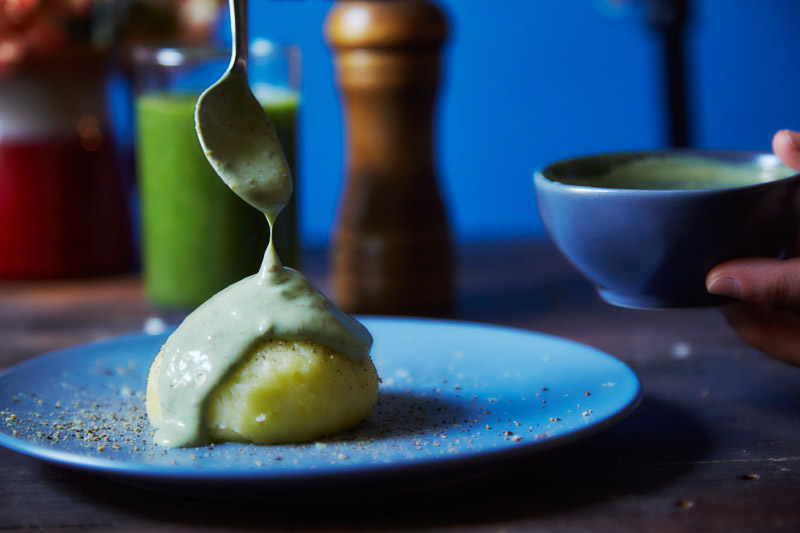
The key to making the sauce is to close your eyes, taste a little and concentrate. The secret is in the balance. What do you notice first, is it the acid, or the salt, or the herbs? Is it pleasurable and delicious or is it a little OTT?
If it’s too salty, try a pinch of sugar or a dash of acid to compensate. If it’s too acidic, try a pinch of salt or sugar. Sugar could be in the form of orange juice; acid could be a nice vinegar or lemon juice; salt could be flaky sea salt or some drained capers.
We make ours in a Nutribullet but have also used a food processor or even a stick blender in a tall jug. They will all work – some sauces will be chunky and some will be smooth, depending on your kit, but all will be delicious.
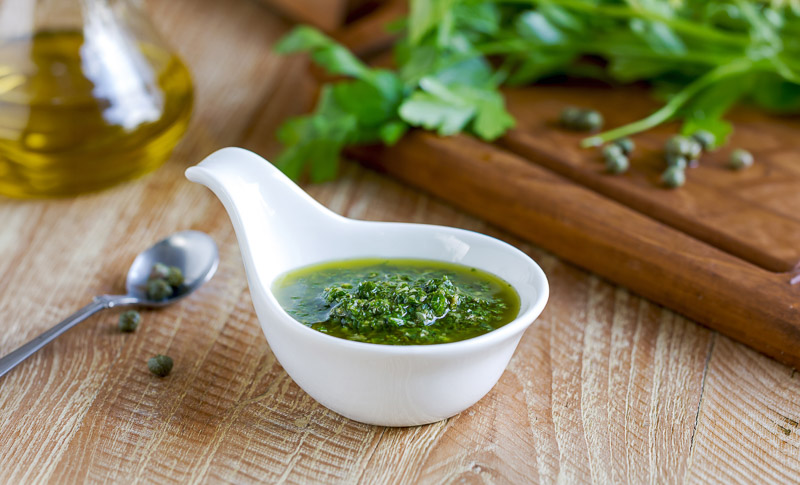
Hāngi Secret
Green Sauce
This recipe started as salsa verde, spent a little time as your typical cafe-style Green Goddess and over the years has morphed into Green Sauce. We can’t remember its origins, and it’s totally open to interpretation – make it your own.
Makes about 1 cup.
Ingredients
- 60g fresh picked herbs, mainly leaves, no woody stalks (we use any combination of parsley, mint, lovage or coriander but you could also include chervil, dill or rocket)
- 1 large garlic clove
- 1 lacto-fermented dill pickle or gherkin (not a sweet one)
- 1/4 cup Greek yoghurt
- 1 Tbsp apple cider vinegar
- 1/4 cup extra virgin olive oil
- 1 Tbsp water (plus extra if needed)
- 3 pinches of flaky salt
Method
- Very roughly chop the herbs – just run the knife across the bunch a few times.
- Peel garlic and chop into eighths. If it has a green centre, discard this.
- Put all ingredients in the food processor and pulse to an even texture. It doesn’t need to be a smooth, emulsified green sauce, but it can if you want it to be.
- Leave it to sit for at least 5 minutes before tasting for balance, as the ingredients take a while to find each other. When you taste it, use the notes on the previous page to find your balance and consider what food you are eating it with. As an example, for roast vegetables, focus on the herbiness; for fatty pork, focus on acid balance and so on. If you find you’ve added too much acid, adding egg yolks will bring a richness to counter it. If you do this, the sauce must be stored cold and used quickly.
- Stir through some extra chopped herbs and capers to add texture at the end, if you wish.
_____________
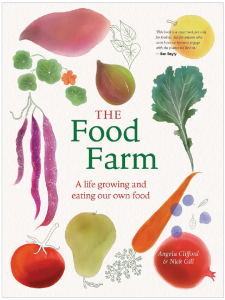
The Food Farm: A life growing and eating our own food by Angela Clifford and Nick Gill, photography by Angela Clifford and Nick Gill, published by Bateman Books, RRP $55, now available.