

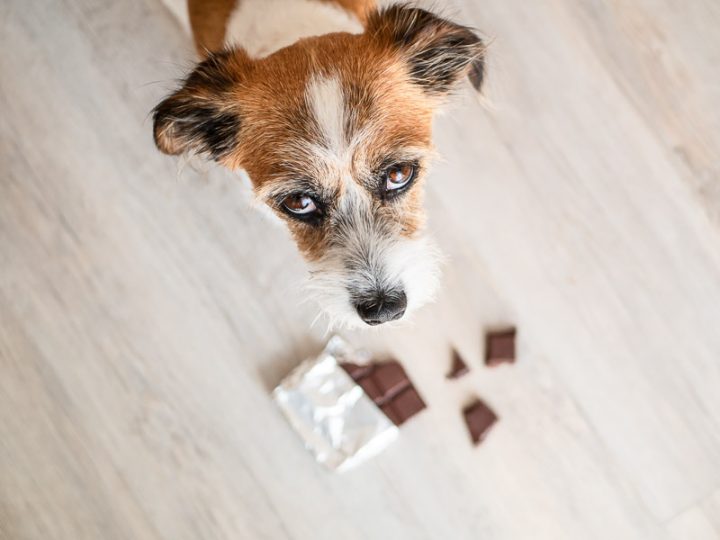
Hidden hazards
March is Pet Poison Prevention Month, a time dedicated to raising awareness about the everyday household dangers that can harm our pets.
Pets explore the world with their noses and mouths, and their natural curiosity can quickly lead them into trouble. While many owners work hard to keep their pets safe, the truth is that modern homes contain a surprising number of hidden hazards for curious dogs and cats.
According to pet insurance data and veterinary experts, pet poisonings happen far more often than people realise, and most occur inside the home. Common chemicals, cleaners, some plants and even foods are toxic to dogs and cats, resulting in insurance claims being dominated by ingestion of dangerous items.
“The data we gather from our policyholders is clear: pet poisonings are common, most occur at home due to the inquisitive nature of dogs and cats, and many could be avoided with better awareness of the risk,” says PD Insurance COO Michelle Le Long.
Hazard identification and risk management are an ongoing campaign for every pet parent, says Michelle. “When it comes to toxic substances in the home, common culprits include things like snail bait, rat poison, antifreeze, household cleaners, chocolate, onion, garlic, and xylitol. These are the substances pet owners need to be most aware of, because even small exposures can be extremely dangerous for dogs and cats.”
However, some of the biggest risks come from items that many owners don’t realise are harmful. Essential oils, fertilisers, compost, button batteries, certain plants, nicotine products, and even raw bread dough can cause serious illness if ingested. Human medications are another major concern, as many common drugs that are safe for people can be toxic, or even fatal, for animals.
The signs of poisoning can vary, but pet owners should watch for symptoms such as vomiting, diarrhoea, excessive drooling, seizures, loss of coordination, unusual breathing, or sudden changes in appetite and thirst. In some cases, symptoms may not appear until hours or even days after a toxin has been consumed.
Quick action is critical. If you suspect your pet has eaten something toxic, contact a veterinarian immediately. Avoid home remedies or attempting to induce vomiting without professional advice, as this can sometimes make the situation worse.
Ultimately, prevention is the best protection. Keeping chemicals secured, storing medications safely, and ensuring pets cannot access hazardous substances can make all the difference. After all, a little vigilance today can spare both pets and their owners a frightening emergency tomorrow.