
Welcome Honor into the fold
Foldable mobile phones have spent the last few years hovering between novelty and necessity. Impressive, yes. Practical, sometimes. The Honor Magic V5 feels like one of the first to stop asking for patience and start offering confidence instead. Metropol’s gadget guy Ian Knott discovers there’s more to Android life than Samsung and co have to offer.
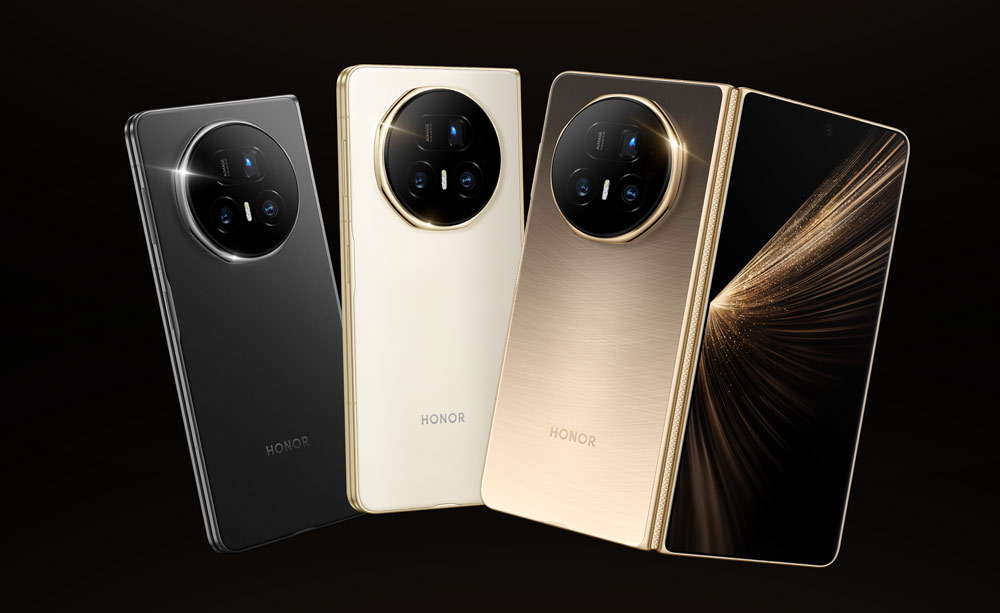
That timing matters, because Honor has only just arrived on the New Zealand market. For anyone unfamiliar with the name, Honor began life as an offshoot of Huawei, created to circumvent the brand’s US ban. That Huawei DNA is still very much present, particularly when it comes to hardware ambition and battery efficiency, but Honor is now charting its own course. The Magic V5 feels like a statement device intended to announce that arrival properly.
At first glance, the most striking thing about the Magic V5 is how thin it is. Folded, it comes in at roughly 8.8 mm, making it the thinnest foldable currently available. In the hand, that matters far more than the number suggests. It feels closer to a conventional phone than any foldable I have used, and it slips into a pocket without constantly reminding you that you are carrying something unusual. Realistically, this is about as thin as foldables are likely to get. The USB-C port alone imposes a physical limit, and until charging standards change, there is not much room left to shave away.
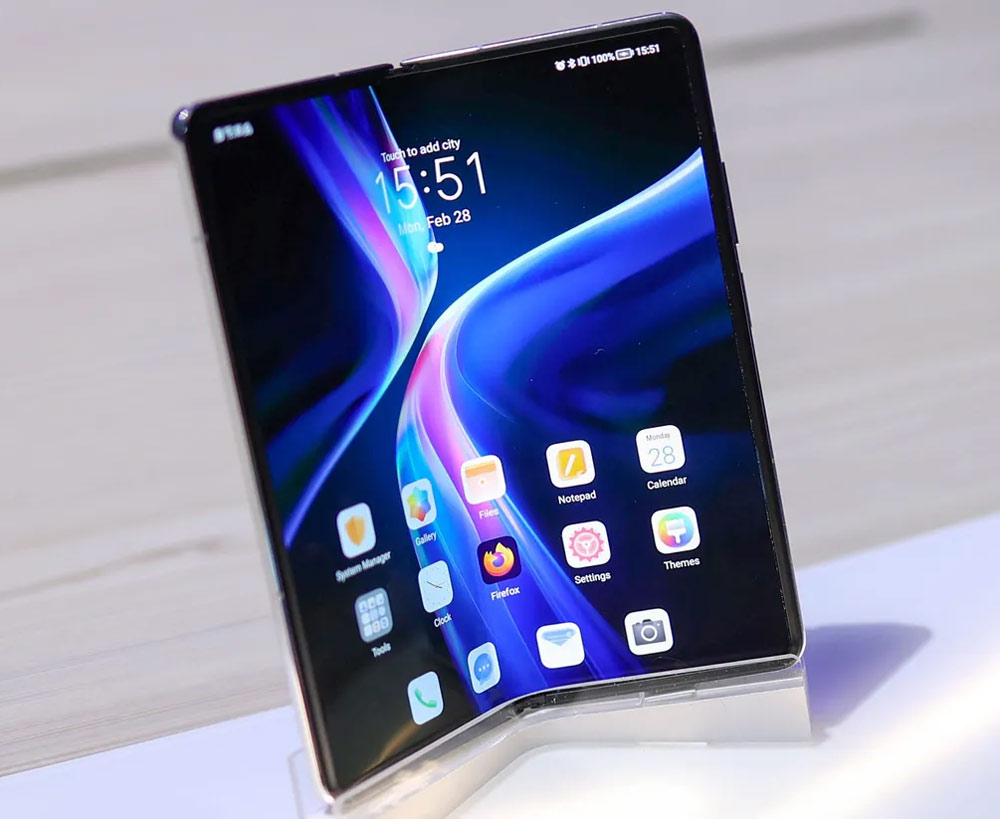
Open it up and you are greeted by a large 7.95-inch inner display, complemented by a 6.43-inch outer screen. Both are bright, sharp and smooth, running at up to 120 Hz. The crease is visible if you go looking for it, but it fades quickly into the background during everyday use. Watching video, reading long articles, editing photos or juggling multiple apps all feel natural on the larger canvas.
Powering all of this is Qualcomm’s Snapdragon 8 Elite platform, paired with 16 GB of RAM and 512 GB of storage. On paper, it is exactly what you would expect from a high-end foldable. In practice, performance is mostly excellent. Apps launch quickly, multitasking is fluid, and the phone generally feels responsive and capable.
That said, this is not a flawless experience. Over time, I noticed the occasional app refusing to quit properly, hanging around longer than it should. There were also moments where the operating system would freeze briefly for a few seconds before carrying on as if nothing had happened. It was not frequent enough to be infuriating, but it was noticeable. I also experienced the phone dropping off Wi-Fi from time to time, particularly when moving between networks. None of these issues are deal-breakers, but they are worth mentioning, especially at this end of the market.
Battery life, however, is outstanding. The Magic V5 packs a 5820 mAh battery, and it shows. This is an area where that Huawei heritage is unmistakable. Full days are easy. Heavy days are totally doable. On lighter use, it is entirely possible to go three days without needing charging. Foldables have traditionally struggled here, but Honor has clearly prioritised efficiency, and it pays off in real-world use.
One of the real strengths of the Magic V5 is how well it handles multitasking. Viewing multiple apps at once feels genuinely useful rather than awkward. Split-screen layouts make sense, floating windows behave predictably, and the larger display finally delivers on the promise of doing more at once without feeling cramped. Combined with extensive home screen customisation options, it is easy to tailor the phone to how you actually work. Widgets, layouts and shortcuts are flexible without tipping into chaos, and the system generally stays out of your way.
Cameras are another strong point. The rear setup combines a 50 MP main camera, a 50 MP ultrawide and a 64 MP periscope telephoto. There is a wide range of shooting modes and features, some of which feel genuinely useful rather than just filling space in a menu. Image quality is consistently good, with strong dynamic range and pleasing colour. The AI improvements in photo processing are particularly noticeable. Scenes are recognised more accurately, low-light shots hold together better, and portraits look more natural without excessive smoothing. It is not chasing a hyper-processed look, which suits it.
The foldable form factor also opens up interesting camera use cases. Using the main cameras for selfies with the outer screen as a preview works well, and the flexibility of the hinge makes framing shots easier than expected. It is one of those things you stop thinking about once you have used it a few times.
Durability is always a concern with foldables, and Honor has clearly taken this seriously. The Magic V5 carries IP58 and IP59 ratings for dust and water resistance, which is reassuring in day-to-day life. The hinge feels solid, opens smoothly, and gives no sense of fragility. While no foldable is indestructible, this one is built to take some punishment.
Software is where the experience occasionally shows its rough edges. MagicOS 9, based on Android 15, is generally polished and feature-rich, but it can feel slightly busy in places. There are moments where menus are deeper than necessary, and some animations feel a fraction slower than they should. Combined with the occasional freezes and connectivity drops, it reminds you that this is still a complex piece of hardware pushing boundaries.
Pricing in New Zealand sits around $2899, which is undeniably premium. That said, foldables live in a premium category by default, and when you consider the storage, performance, battery life and overall design, it feels broadly in line with expectations rather than excessive.
So where does that leave the Honor Magic V5? It is not perfect, but it more than worthy of challenging and even surpassing comparable Samsung and Oppo foldable offerings. It is thin in a way that genuinely changes how a foldable feels to live with. Battery life is excellent, multitasking is genuinely useful, camera features are extensive and improving, and the hardware feels thoughtfully engineered. The software still has room to mature, and a few stability quirks need ironing out, but none of them overshadow what is otherwise a very capable device.
For Honor, this feels like a strong opening move in New Zealand. The Magic V5 is not just a showcase of engineering, but a reminder that foldables no longer need excuses. This one feels ready to be used every day, not just admired.