

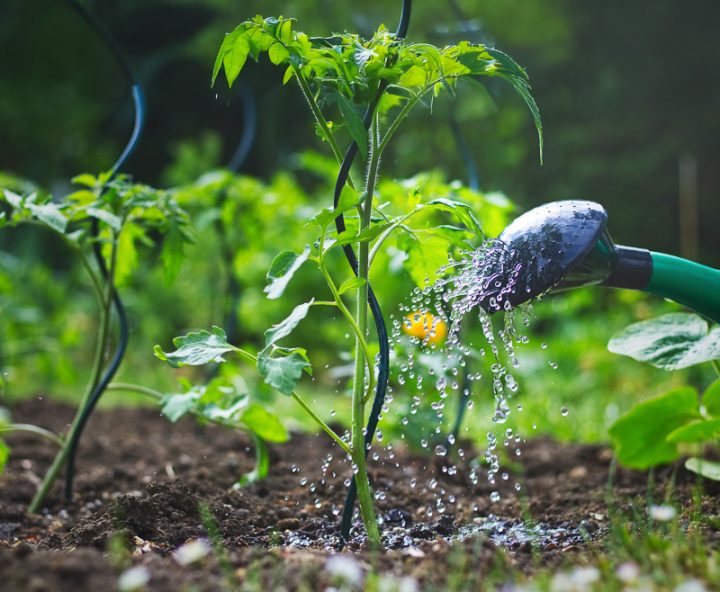
Water you doing this summer?
As the sun’s heat reaches its summertime high, how will you keep your garden quenched? To satisfy your garden while saving water, try these four tricks.
1. Use mulch
Putting mulch around the base of plants in your garden, or even in pots, helps to retain moisture. A variety of organic matter can be used for mulch, including wood chips, straw, grass clippings, and shredded leaves. Adding a layer of mulch that is at least 5cm thick will help add nutrients to the soil while saving the equivalent of 2cm of rain.
2. Avoid pots
If possible, try to avoid using pots. Planting in pots makes it harder for the plant to develop long and strong roots because of the limited space. Plants growing in soil can develop deeper roots for maximum water and nutrient retention and tend to dry out less quickly.
3. Water in the early morning or evening
Research shows that the most effective times to water your garden are in the early morning from 6am to 8am, or in the evening around sunset. Morning and evening watering allows
your vegetables to soak up the water before the intense heat of the day, when moisture is lost through evaporation. Additionally, morning watering helps keep the soil surface drier for longer, preventing unwanted visitors like slugs and snails.
4. Check thirst first
Sometimes our beloved iceberg lettuce may not actually need that extra spritz of water. We tend to overwater our vegetable gardens through frequent, shallow watering rather than deep watering. Relying on your timed irrigation system can do more harm than good. It can cause weaker roots that grow near the surface. Instead, check the soil with your finger at least one knuckle deep. If it feels dry, deeply water through slow manual watering. Wait for the soil to dry out before watering again. This helps to prevent overwatering and strengthens roots. Remember, every plant is different, so watering frequency will vary.
DECEMBER GARDEN TIPS
Award-winning Christchurch horticulturalist Nathan Neath of Green Giant Gardens spotlights some summer maintenance tasks. “Early summer is when you set your garden up for the season,” Nathan says. “A little attention now makes a big difference later.”
- Monitor pests and diseases and treat any problems early before they spread
- Mulch garden beds to suppress weeds and help soil stay cool and moist
- Assess planting combinations – note what’s working well and what may need replanting
- Prune hedges and spring-flowering shrubs to maintain shape and encourage healthy growth, while allowing time for flower buds to develop for next year
- Check garden and lawn irrigation for damage, leaks, or areas receiving too much or too little water
- Fertilise lawns and garden beds to keep growth strong through summer
- Deadhead spent blooms to encourage continued flowering
- Most importantly – pause and enjoy your garden at its seasonal best.