The power of walking
by Metropol | September 16, 2026 8:33 am
It’s not exercise. Walking is a physiological necessity like breathing, says foot and gait specialist Courtney Conley, author of Walk: Your Life Depends On It. Metropol deputy editor Tamara Pitelen talks the walk.
“You’re probably not going to like me saying this, but I don’t view walking as exercise. Yes, on paper, it’s exercise. But I want you to think about it as a physiological necessity, like breathing and sleeping. What we see consistently is that in patients who do around 2500 steps or less, it is almost always coupled with things like depression and anxiety, with mental health challenges.”
If that’s not a sentence to make you think twice about the power of walking, I don’t know what is.
These are the words of world-renowned foot and gait specialist Courtney Conley. Speaking in a recent interview with RNZ Sunday Morning host Jim Mora, she explained how the simple act of walking was critical for everything from mental clarity and emotional well-being to creativity and social connection, as well as physical health – making it a vital component of human existence, one that is as essential as breathing and sleeping.
Courtney, who has co-written a book called Walk: Your Life Depends On It with physiotherapist Milica McDowell, says walking is one of our most powerful and under-prescribed medicines. She says walking speed can predict overall health, that your toe strength is a key marker of longevity and mobility, and that even the shortest of walks can have profound healing effects.
Here are some of the main pieces of advice for walking it out:
How many steps a day? The sweet spot for the longevity benefits is 7000 to 8000 steps. Most people believe it’s 10,000, but that’s a myth born out of a marketing campaign from a Japanese company that created a pedometer following the 1964 Tokyo Olympics.
Best time to walk? After eating, says Courtney. “After you eat, you have an influx of glucose into your system that needs to be utilised as energy. And we have two systems in our body that do that. Our pancreas and movement. So when we are sedentary after we eat, you take away one of those systems. The movement system is not helping us. It’s not grabbing the glucose, so now the pancreas is working overtime and putting more stress on that organ. This is such an important conversation for people who have insulin resistance and diabetes. One of the best things to do after you eat, and it’s not hard, is to walk. We need 10 minutes. Pace doesn’t matter. You just get out and move your body so that you can help your pancreas and use this movement system to help expedite the glucose into your system.”
Are treadmills just as good? They’re a superb alternative if you can’t get outside due to factors like inclement weather. “When you look at all the research on gait speed, which is very important, at 5.5 to 6.5 kilometers per hour, you start to see some really cool health benefits from cancer risk reduction, dementia, and depression when you keep up this speed. When you’re on the treadmill, you can be very consistent with that speed.”
Top tip? Think micro walks. It’s not about standing as opposed to sitting, says Courtney. It’s about being stagnant. Five minutes of walking is about 500 steps, so take these little micro walks throughout the day; this mechanical stimulus drives so many inputs to every system in your body.
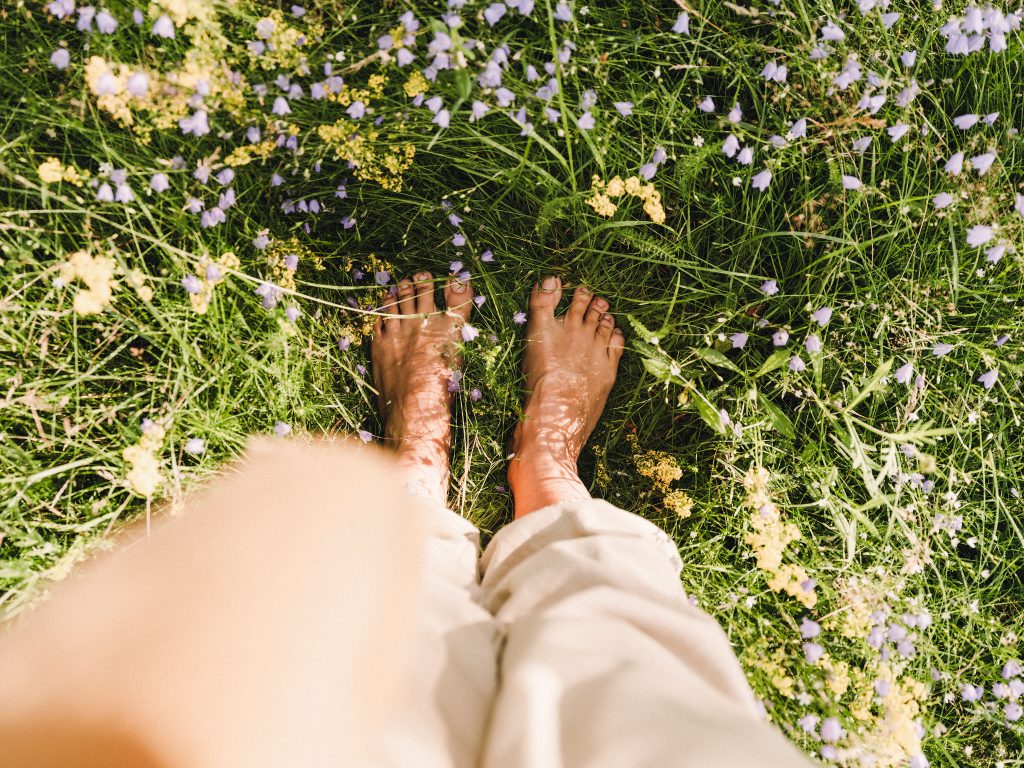
One thing to do right now to walk better? “Take your shoes off. Look at your feet. What do they look like? Are your toes the widest part of your foot? Because they should be. If not, do toe yoga, walk around the house barefoot, even just a couple of minutes, to see what it feels like to let your foot feel the ground. This will set up efficiency for the rest of your body. If you have a low step count, increase slowly. An extra five minutes a day of micro walking,” Courtney says.
Source URL: https://metropol.co.nz/the-power-of-walking/