Tackling lipoedema: Handson
by Metropol | May 13, 2026 8:33 am
About 11 per cent of Kiwi women are living with lipoedema, a chronic condition that is still widely misunderstood, and in many cases, undiagnosed.
Lipoedema, also known as Subcutaneous Adipose Tissue (SAT) disorder, is a chronic inflammatory condition that affects the fatty tissue beneath the skin. It is characterised by a disproportionate buildup of adipose (fatty) tissue, most commonly in the legs and sometimes the arms, while the feet and hands are often unaffected. The condition is progressive and can lead to inflammation, tissue scarring (fibrosis), pain, tenderness, bruising, and mobility difficulties.
Despite affecting an estimated 11 per cent of women in New Zealand, lipoedema remains widely misunderstood and frequently undiagnosed. For 99.9 per cent of cases, the condition occurs exclusively in women, likely due to its hormonal and genetic links.
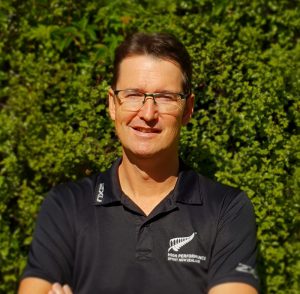
“Lipoedema is not simply about appearance or weight gain,” says Hans Lutters of Hands On Clinic. “It is a recognised chronic inflammatory condition that can significantly impact a woman’s physical and emotional wellbeing. Unfortunately, many women are repeatedly told to just diet and exercise more, when in reality those measures do not address the underlying disease process.”
Research suggests that lipoedema may be inherited. Hormonal changes including puberty, pregnancy, and menopause are also commonly linked to the onset or progression of symptoms.
One of the greatest challenges surrounding lipoedema is delayed recognition. Symptoms often develop gradually over many years, meaning many women may not realise they have the condition until it begins to severely affect their quality of life. Early identification and management, however, can play a vital role in slowing progression and improving long-term outcomes.
Diagnosis of lipoedema currently relies on assessment by experienced practitioners using body composition analysis technologies such as SOZO Bioimpedance Spectroscopy, which can help monitor fluid changes and lymphatic stress, where lipoedema places increasing strain on the lymphatic system.
At Hands On Clinic, a multidisciplinary team provides a personalised and evidence-informed treatment and long-term management plan, helping clients through a combination of therapies, education and self care. Treatment plans may include Manual Lymphatic Drainage (MLD), compression therapy, decongestive exercise strategies, and advanced technologies, such as FLOWpresso, aimed at supporting lymphatic function and helping reduce excessive inflammatory fatty tissue that places stress on the lymphatic system. Additional technologies may also assist in improving circulation, reducing fibrosis, and enhancing overall mobility.
The clinic also collaborates with surgeons throughout New Zealand and Australia for clients who opt for specialised liposuction procedures as a last-resort option for more advanced or debilitating symptoms. In these situations, the clinic assists with pre-operative preparation, lymphatic optimisation, and post-surgical recovery support for the best long-term outcomes.
“We see many women who have spent years searching for answers,” Hans says. “For many of our clients, simply having their experiences validated is life changing. Once they understand that lipoedema is a genuine medical condition and not a personal failure, it often becomes the starting point for positive change.”
For more information or to arrange a consultation, contact the Hands On Clinic team at 156 Bealey Ave, call 03 366 0660.
Source URL: https://metropol.co.nz/tackling-lipoedema-handson/