Outdoor transformations
by Metropol | February 18, 2026 8:33 am
From carports to conservatories, add value from the outside in with renovations that focus on your outdoor space.
When we think about what we can do to add value to our properties, most of us instinctively look to changes we can make indoors. Shiny new kitchens and bathrooms often steal the spotlight, but some of the most effective value gains are hiding in plain sight just outside your front (or back) door.
The potential to add value through your exterior space, ranges from doing the bigger ‘hero’ projects, such as adding extensions like conservatories, carports and decking, to the more cost-effective but still transformative work of hiring a skip and clearing your backyard of old waste – anything from piles of timber and bricks to rusty trampolines and broken swing sets. Possibly the cheapest transformation is just getting to work with a water blaster on your guttering and giving your fences a fresh coat of paint.
For what is often a relatively affordable investment, sorting out your exteriors can dramatically improve both kerb appeal and long-term performance. Here’s a guide to how you can add value from the outside in.
Extending with purpose
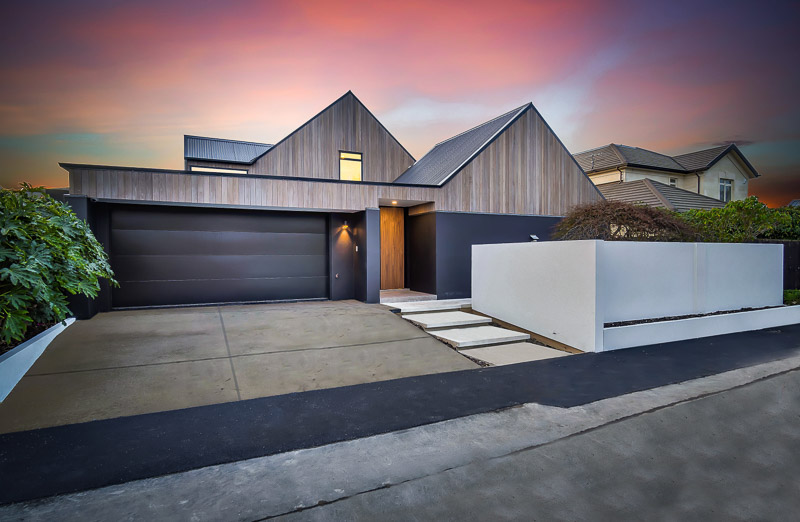
A well-designed extension should solve a specific problem, not just add square metres. Before building, check how the new space will affect daylight to existing rooms and neighbouring properties. A successful extension blends old and new as seamlessly as possible. Mismatched materials or awkward roof junctions can negatively affect valuation so take care to match brick sizes, mortar colour and roof pitch to the existing house.
Expert tip: Finalise drainage, insulation and roof detailing before focusing on finishes.
Extension planning checklist
- Match roof pitch and eaves depth where possible
- Confirm foundations suit future load requirements
- Check daylight impact on existing rooms
- Align brick size, mortar colour and pointing style
- Confirm building control approval before construction
Gold star conservatories
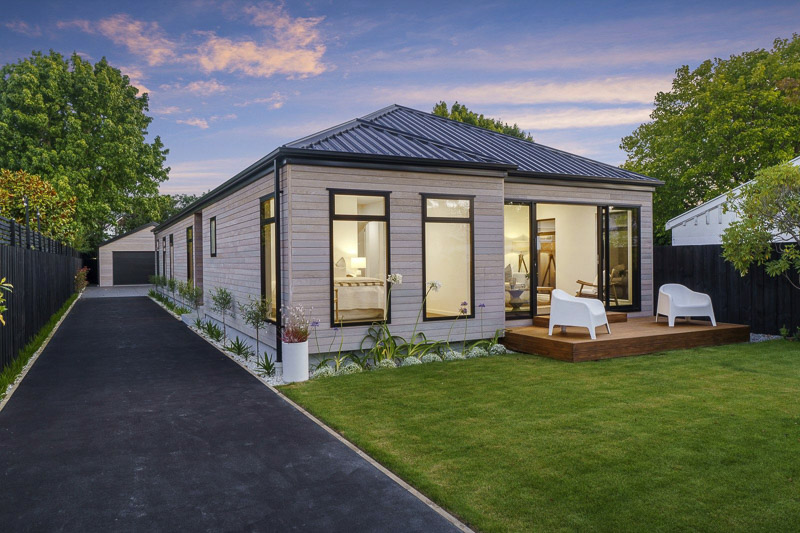
Modern conservatories are now designed as genuine living spaces, and installing one is a popular way to add room, natural light, and value to a home. Conservatories add the most value when they are comfortable in all seasons. Insulated roof systems, low-emissivity glazing and solid flooring foundations are key to year-round comfort. Note that orientation affects temperature and usage. North/west-facing gets the most sun, making it ideal for winter, but requires good ventilation and shading (blinds/curtains) to prevent overheating in summer. South/east-facing is cooler so can be better suited as a morning breakfast area or a studio, but may require extra heating in winter.
Expert tip: A building consent is required for most conservatories larger than 5m2 or that structurally alter the existing home. Small, single-storey detached buildings under 30m2 may not need a building consent, but must still comply with the NZ Building Code regarding structural integrity, stormwater disposal, and safety.
Love your carport
Functional additions often have an outsized impact on value. Carports, for example, offer protection and convenience without the cost or visual bulk of a garage. When designed with timber or steel detailing that complements the house, they become an architectural feature rather than an afterthought.
Carport design tips
- Allow at least 300mm clearance around vehicle doors
- Include discreet drainage or permeable surfaces
- Use materials that echo the main house
- Consider lighting and power at build stage
Update your exterior cladding
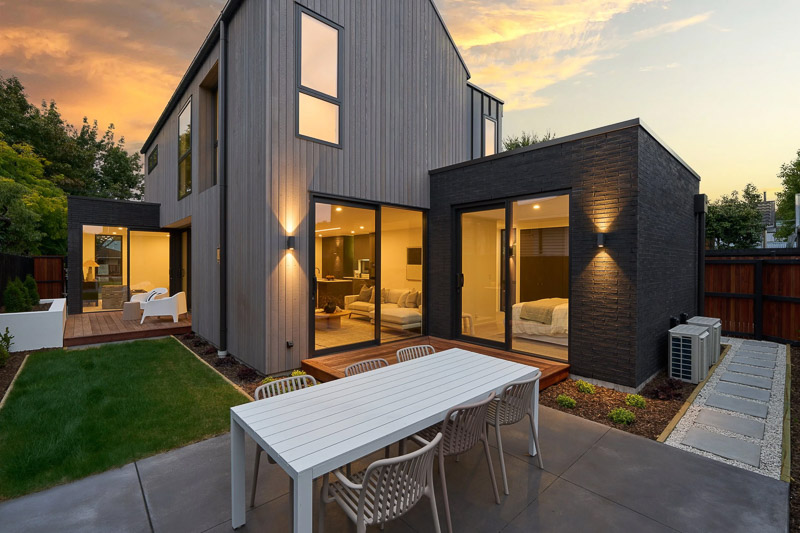
Recladding projects are often undertaken to improve weather tightness or enhance heating efficiency, but a cladding ‘facelift’ is also a great way to give an older property a more modern look. Timber adds warmth, texture and a contemporary edge to tired façades. Vertical or horizontal boards can modernise an older property instantly.
In New Zealand, wood cladding remains a popular choice for adding beauty, but also due to its climate suitability. Longevity of wood cladding depends on how it is installed; durable softwoods or modified timbers perform well when installed with a ventilated cavity and appropriate membranes. Fixings and trims should be corrosion-resistant, particularly in coastal or exposed areas.
Expert tip: Install timber cladding at least 150mm above ground level to prevent splashback and premature rot.
Skip it: Waste, recycling and hazardous material
Exterior renovations generate more waste than many homeowners expect, and sustainability is increasingly influencing renovation decisions. Many homeowners now prioritise recycling materials wherever possible, reusing bricks, timber and fixtures rather than sending everything to landfill.
This all makes skip hire and waste removal a core part of project planning. Choosing the right skip size, separating recyclable materials and keeping the site organised can reduce costs, improve safety and minimise disruption, especially on residential streets.
Position your skip as close to the work area as possible and beware of leaving it overnight on a public road – it may require a permit, but it can also be seen as a free-for-all by others in the neighbourhood doing their own clear-out.
Separate material for recycling on site. Rubble, soil and green waste often require separate disposal, so ordering the right type of skip from the outset avoids delays and
additional charges.
Hidden hazards such as asbestos are common in pre-1990s buildings. These older properties often have asbestos concealed in garages, soffits or outbuildings.
Renovation specialists advise testing suspicious materials before work begins, as disturbing asbestos accidentally can halt a project and increase costs. Using licensed removal contractors is essential, both for health reasons and to protect future property value. Ensure you retain all documentation about having asbestos removed to provide peace of mind for future buyers and surveyors.
Waste management checklist
- Order skips before work begins
- Check permit requirements for road placement
- Separate recyclable materials on site
- Schedule regular collections to avoid overfilling
- Never cut or drill suspected asbestos materials
- Use licensed asbestos removal contractors only.
Source URL: https://metropol.co.nz/outdoor-transformations/