La vie en rosé: Kim Schofield
by Metropol | May 27, 2026 8:36 am
In 2017, with zero wine-making experience, the owner of North Canterbury’s Dancing Water Winery Kim Schofield decided to make the best wine in the world. Just under a decade later, she had. Kim tells Metropol editor Nina Tucker about her vie en rosé.
In a Trelise Cooper coat and pointy stilettos, Kim Schofield stood overlooking a run-down North Canterbury vineyard and decided she would make the best rosé in the world. At the time, the only experience she had of wine was drinking it.
Kim entered the industry in 2017 after purchasing Dancing Water Winery as an investment project. The original plan was to restore the neglected vineyard and “make wine that our friends would drink,” she says. “My friends said, ’Kim, it’s Covid-19. We can’t go to France. Can you make us a rosé like we’d drink there?’” she recalls. Challenge accepted.
In 2021, Kim encountered a pivotal turning point when she met renowned viticulturist Dr David Jordan. “He told us these old vines were a treasure trove of incredible capability.” David discovered that the vineyard was home to some of New Zealand’s oldest living dry-grown ungrafted pinot noir and chardonnay vines, planted in the early 1980s. “Other than that, the vineyard was an absolute horror show,” Kim laughs. The winery’s first rosé was made from white wine – uncommon and largely underestimated by the New Zealand industry. It would become the first example of what is now signature Kim Schofield innovation. “If there’s nothing better than a great rosé, there’s nothing worse than a terrible one.”
Georgie girl
Originally, Kim wanted to call the rosé George. “‘No Kim, you can’t call your wine George,’ said my consultant. ‘Sir George Fistonich [founder of Villa Maria Wines], is the grandfather of the New Zealand wine industry.’ So I named it after my sexy, gorgeous friend Georgie. That was the best thing we ever did.”
The Georgie rosé quickly became Dancing Water’s signature wine, the most popular and regularly selling out. But Kim soon discovered that the traditional wine industry model was not a good fit for her ambitions and values. “I was committed to making quality wine, but what distributors were prepared to pay meant that we’d make a loss. You either cut your costs and reduce your price, or you find another way to sell it.”
She found another way to sell. Before wine, Kim worked as a commercial director in construction. She understood sales and branding instinctively. “I knew that if you have an amazing product, and if you work for a company that you’re proud of, selling is easy.” Rather than dilute the product to meet supermarket price points, Kim built Dancing Water around direct-to-consumer sales. She still personally delivers wine around Christchurch (making sure customers receive their order before the weekend), while her daughter handles Auckland deliveries.
“I’m watching my friends drink it. I’m getting the feedback. It never crossed my mind that we would ditch the value and the quality to achieve a lower cost.” Things were tracking nicely, and word of mouth was spreading. Then Kim met Paul Wright – the Canterbury man who took Harcourts from 12 branches nationwide to almost 1000 across 10 countries. “He taught me it’s just as easy to think big as it is to think small,” she says.
It was this attitude that changed the game when she stepped into meetings with people like London-based wine writer and lecturer Dr Jamie Goode. After visiting the winery and tasting Dancing Water for himself, Jamie encouraged Kim to enter the 2025 International Wine and Spirit Competition (IWSC). It was a massive risk. The entry fee cost thousands of dollars. “We were up against 12,000 entries from all over the world. We were the smallest, least glamorous, most unknown… just a little vineyard making wine for my friends.”
It paid off. Dancing Water took home three awards: gold for Blanc de Noir 2024, silver for Central Otago Pinot Noir Rosé 2024, and bronze for the famous Georgie Rosé Diamante 2024. It was the first New Zealand winery to win three rosé medals in a single year at the IWSC. “In the back of my mind, I knew we had wonderful fruit, amazing winemakers, and a clear vision. We had all of the components.”
The winery was also a top-three finalist for the IWSC Rosé Producer Trophy, one of the most respected accolades in global wine. The awards ceremony took Kim to London, where she was up against giant brands like Louis Vuitton Moet Hennessy (LVMH). Though she didn’t win, the trip delivered something more valuable: a friendship with renowned European winemaker Jean Francois Ott. In 1961, his grandfather helped elevate rosé in France to serious wine status. The challenges and criticism Ott had faced for championing rosé seemed to mirror Kim’s experience. “From what is considered New Zealand’s top pinot noir, we make rosé out of it. It was so reassuring.”
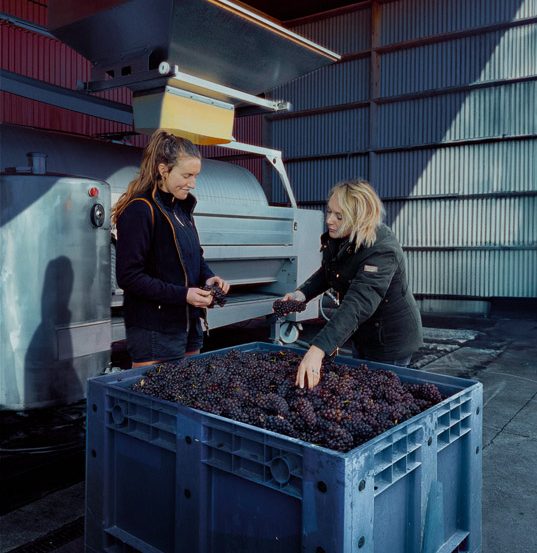
Rosé-coloured glasses
Innovation, alongside intentional rosé-making, became her blueprint. “A lot of innovation was out of necessity. Super cool things happen when you’re forced to change.” She recalls one prickly pinot noir grape growing experience. “Pinot noir is difficult to grow, anyway, but bad conditions make it even tougher. The hardest part is the last two weeks, when it’s ready for premium wine. We stood in the vineyard last year with our winemaker and viticulturalist, and we knew our pinot wasn’t going to be in good health. We had two choices: make average pinot noir and pick it now, or leave it on the vine. But it was good, clean fruit, so I asked if it would be ready for a rosé. We can’t forego our top pinot noir; this had to be a high-end age-worthy rosé. Can we do that? They said we could.”
That exact batch of rosé has just appeared in Decanter, the most prestigious wine magazine in the world. “We could have all gone to the pub and had a cry. It was potentially a financial disaster. But we’re not going to let this deflate us.”
Sometimes innovation derives from dormant passions rather than disaster. Kim, an avid art lover, had never found the capacity to pursue it when her daughter was young. “My dreams got put in the background, like they do for a lot of women,” she says. When an early independent assessment of Dancing Water called the labels into question, Kim approached it from a consumer point of view. “When you have friends over for a barbecue or a dinner party or whatever you do, the bottles are actually decorations,” she remembers. “I saw it as a chance to bring art into the business. It was a little bit selfish, but I got to dive into my passion.”
Kim met with an artist – so determined the meeting would go well that she rehearsed the proposal with her daughter on car rides to school – and successfully pitched her idea for artwork to adorn her wine labels. “As I was walking out the door, she asked me if I wanted to buy the preliminary drawings as well. They are now the labels on the Chardonnay and the Pinot Noir.”
“It sounds very indulgent, but you could spend tens of thousands of dollars creating a label with an agency that neither of you are happy with,” she says. “All of a sudden I found myself surrounded by art and people that believed in me and now we’re in a situation where people want to put their works on my bottle.” Because Dancing Water sells direct, Kim doesn’t need to worry about the logo dictating the design.
“But what would be the point?” she asks. “What would be the point of any of this if you didn’t have people and friendships to share it with? International awards and recognition are great, but “none of it really matters if you haven’t got friends or a supportive group of people around you to celebrate it with.”
For Kim, that original challenge from friends during Covid-19 still sits at the centre of everything Dancing Water produces: wine people genuinely want to drink. Hopefully Kim’s friends will see this as a mission accomplished.
__________________
Kim’s hacks: how to keep calm
• Don’t let any negative thought last more than 17 seconds.
• Lean into Louise Hay’s iconic affirmation: say ‘all is well’ out loud three times when you’re overwhelmed.
• Remember the ‘burnt toast’ theory: the belief that minor setbacks have a domino effect in your life, leading to something positive or keeping you out of harm’s way.
• Meditate! It’s the one thing that helps with everything. Everyone’s got 20 minutes before they go to sleep. Invest your time in mental clarity. You make better decisions, faster. Meditation, that clear mind, being able to follow your intuition, it’s a game-changer. It’s the best thing anyone could do and it’s so easy.
__________________
QUICK FIRE QUESTIONS
Your favourite wine, from Dancing Water and another brand?
In summer, it’s definitely Rosé du Cygne (the swan). And I love Champagne, Vintage 2015 is wonderful.
Your go-to outfit combination when you can’t find something to wear?
Blazer and jeans.
Your favourite way to wind down?
Oh, to take my shoes off and stand on the grass with a glass of wine.
Your favourite piece of clothing in your wardrobe?
My Stella McCartney crossbody bags! They give you shape, they’re great for travel.
Your biggest inspiration?
Any woman that defies the odds. Like Madonna at Coachella this year. Dolly Parton, Victoria Beckham. Women that people have underestimated.
Source URL: https://metropol.co.nz/la-vie-en-rose/