From bare paddock to regenerative vineyard: The Tiki story
by Metropol | September 16, 2026 8:33 am
Tiki Wine & Vineyards in Waipara has become the first such business in New Zealand to be certified regenerative. Metropol deputy editor Tamara Pitelen spoke to co-owner Royce McKean.
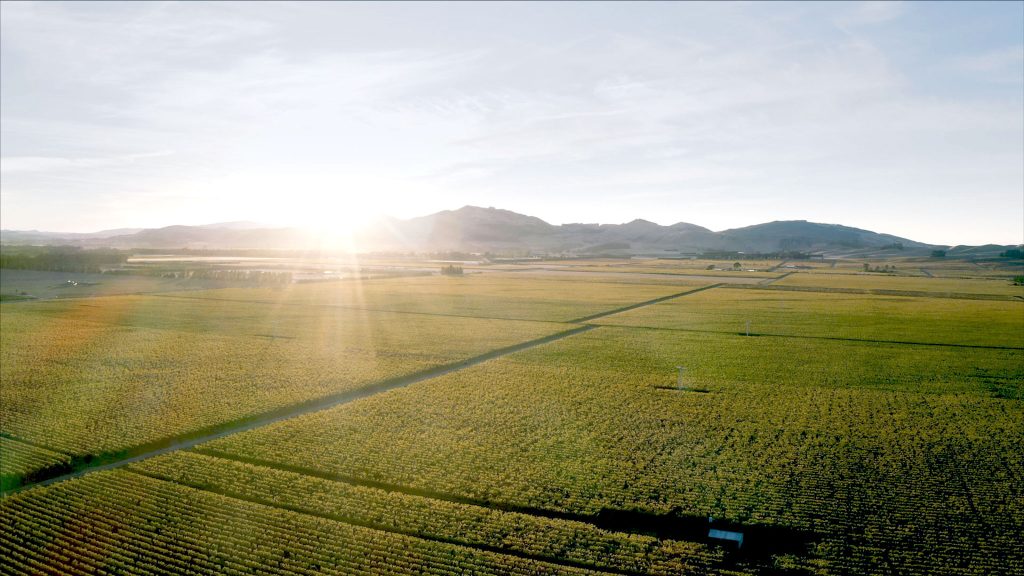
When Royce and Sue McKean bought their farm in North Canterbury in 2004, it was a bare paddock.
The couple, who first met in Wānaka through a shared love of skiing, had zero experience in making wine. There was no family history of winemaking, no established vineyard and no guarantee that the former sheep farm would become the home of a wine brand, let alone New Zealand’s first certified regenerative vineyard and winery.
The first vines at Waiata Vineyard went into the ground in 2005 and 2006. Tiki’s first wine followed in 2009. Just four years, from bare paddock to first bottling. Now, under the guidance of Director of Winemaking Alastair Maling MW (four-time Winemaker of the Year at the Royal Easter Wine Show), they’re producing sauvignon blanc, pinot gris, chardonnay, pinot noir, merlot, rosé, riesling, gewürztraminer, méthode traditionnelle and sparkling brut.
From the start, Sue and Royce wanted to weave the te ao Māori concept of kaitiakitanga into the business, which is the principle of caring for and protecting the land for passing on in better condition to future generations.
It’s a motivation that came from Royce’s mother, Sally Hariata McKean (Ngāti Uenuku Kōpako, Ngāti Ranginui, Ngāi Te Rangi), whose influence has shaped the way the business is run.
“It started with mum,” Royce says. “That idea of kaitiakitanga; guardianship of the land. Mum’s belief was always that land, plants, animals, and people are all one. They’re all related to one another, and whatever you do to one is ultimately going to affect the other,” he says.
“If you’re polluting in one area of, say, a river, it’s going to flow through and affect others downstream. So there’s been a desire, right from the outset, to do things that would ultimately improve the land over time. The philosophy is that, if we do our tiny bit and if others do their little bit, combine it all together and we’ll collectively be able to make a difference.”
Trial and error
Royce admits, though, that they didn’t always get it right. “No, we didn’t always follow Mum’s advice. An early example was when we ploughed up a block. Mum didn’t think it was the right thing to do, but it was standard procedure; everyone worked that way, so we got on with it. A month or so later, the nor’west wind arrived, and we watched our topsoil blow away,” Royce says.
“Right there, in front of our eyes, we saw why one of the key tenets of regenerative farming is minimal or no tilling or ploughing. The soil will blow away; it’ll wash away.”
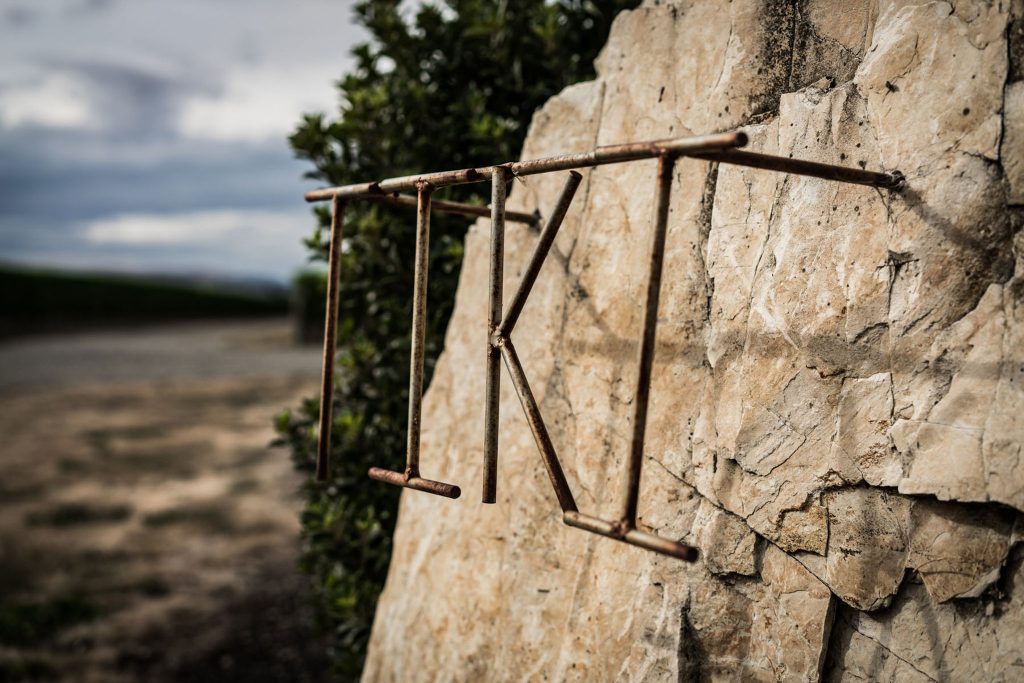
With those early lessons learnt the hard way, the McKeans committed to a regenerative approach and in August Tiki became the first vineyard and winery business in New Zealand to achieve regenerative certification status by A Greener World (AGW), which is a global, independent certification.
In essence, regenerative agriculture works with natural systems to improve soil health, increase biodiversity, strengthen water cycles and build greater resilience across the vineyard ecosystem. Certification requires an independently audited regenerative plan, with progress measured and verified over time.
Royce hopes the efforts at Tiki encourage others to begin their own regenerative journey and for regenerative farming to move from a niche practice into the mainstream.
“Because it just seems to make a hell of a lot of common sense. Healthier soils and more resilient vineyards can support both better fruit and wine and a stronger future for winegrowing and the planet.”
He says initiatives such as the Regenerative Viticulture Foundation’s One Block Challenge give growers a practical way to trial regenerative practices in a single vineyard block, learn from the results and build from there.
Global interest in regenerative agriculture continues to grow, with documentaries like Kiss the Ground and Groundswell, narrated by Woody Harrelson and Demi Moore, helping bring the story of regenerative farming and the One Billion Acres movement to a mainstream audience.
The challenge now, he says, is not necessarily convincing farmers that regenerative practices have value. It is creating a market that rewards them for doing it.
“The first part of that is retailers,” Royce says. If retailers recognise a value in stocking regenerative products, it creates a pathway for more producers to make the change.
“If we can do that, then that will make it more attractive for others to try to see that there’s actually a route to market with it.”
A greener world
Royce points to California as a current leader in getting regenerative products onto retail shelves, while conversations are beginning to gain momentum in Europe too as farmers there confront increasing heat and water shortages.
For Tiki, though, the next phase is closer to home. Royce wants the farm itself to become more diverse – an increasingly integrated farming system. “We’d like to have a lot more food produced on the property,” he says. The first step is food for the team: chickens, fruit trees and nut trees, alongside more planting and biodiversity. His vision is about moving towards something resembling a food forest or permaculture model, with different layers and species working together. “A move back to what would be considered an old farming model, where you weren’t just a monoculture; you didn’t just produce one thing.”
The idea came from a recent trip to Vanuatu. Royce was struck by the integrated nature of village farming there, where livestock, crops, trees and people coexist within the same system.
“I really, really like that,” he says. “A system like that, that’s what we envisage for Waiata over time.”
_______________
Visit Tiki Wine & Vineyards Cellar Door and Restaurant at the Waipara Winehouse, State Highway 1, 780 Glasnevin Road, Waipara, North Canterbury. Shop online at tikiwine.com.
Source URL: https://metropol.co.nz/from-bare-paddock-to-regenerative-vineyard-the-tiki-story/